
The Teacher as Storyteller
Photography, Film and Journalism for Educators
At a Glance
Dates and Location:
4 to 9 April 2027, Reggio Emilia, Italy. Early price until 7 February 2027.
6 to 11 June 2027, Olbia, Sardinia, Italy. Early price until 11 April 2027.
24 to 29 October 2027, Olbia, Sardinia, Italy. Early price until 29 August 2027.
Who it's for: teachers, school leaders and communications colleagues who want to tell their school's story and document children's learning
Language: English
Facilitator: Theodore J. Weiss
Group size: up to 15 participants
Fee: from €700, or €1,445 with accommodation at the early registration price. Erasmus+ KA1 fundable.
Erasmus+ priorities: digital transformation; participation in democratic life
About the Course
Your students and their families spend hours every day inside stories told with pictures, sound, and short video. Much of what they learn about the world, and about school, reaches them this way.
Teachers have always been storytellers. A good lesson has a beginning, a problem, and a turn. Research on memory shows that people understand and remember stories more easily than other kinds of information. But the tools of storytelling have changed, and most teachers were never taught to use them. A phone can take photographs, record interviews, and shoot and edit a film. What is missing is the craft.
Teachers do not need to become influencers. They need to see like a photographer, listen like a journalist, and think in shots like a filmmaker. With these skills, a teacher can hold a room, reach families, and help students read and make the media that surrounds them. Teachers can also share those skills with students, turning them into powerful storytellers.
The same craft has a second purpose: documenting children's learning. When teachers photograph, record, and write about what happens in the classroom with care, they notice more and understand their students better. They can also make that learning visible to children, families, and colleagues. Documentation is not decoration. It is a way of seeing.
This is a practical course, led by the co-founder of a media production company. Each day explores one craft (story, photography, journalism, film, editing) and then applies it to the classroom. Participants leave with finished work and a plan for telling their school's story all year.
What We Do
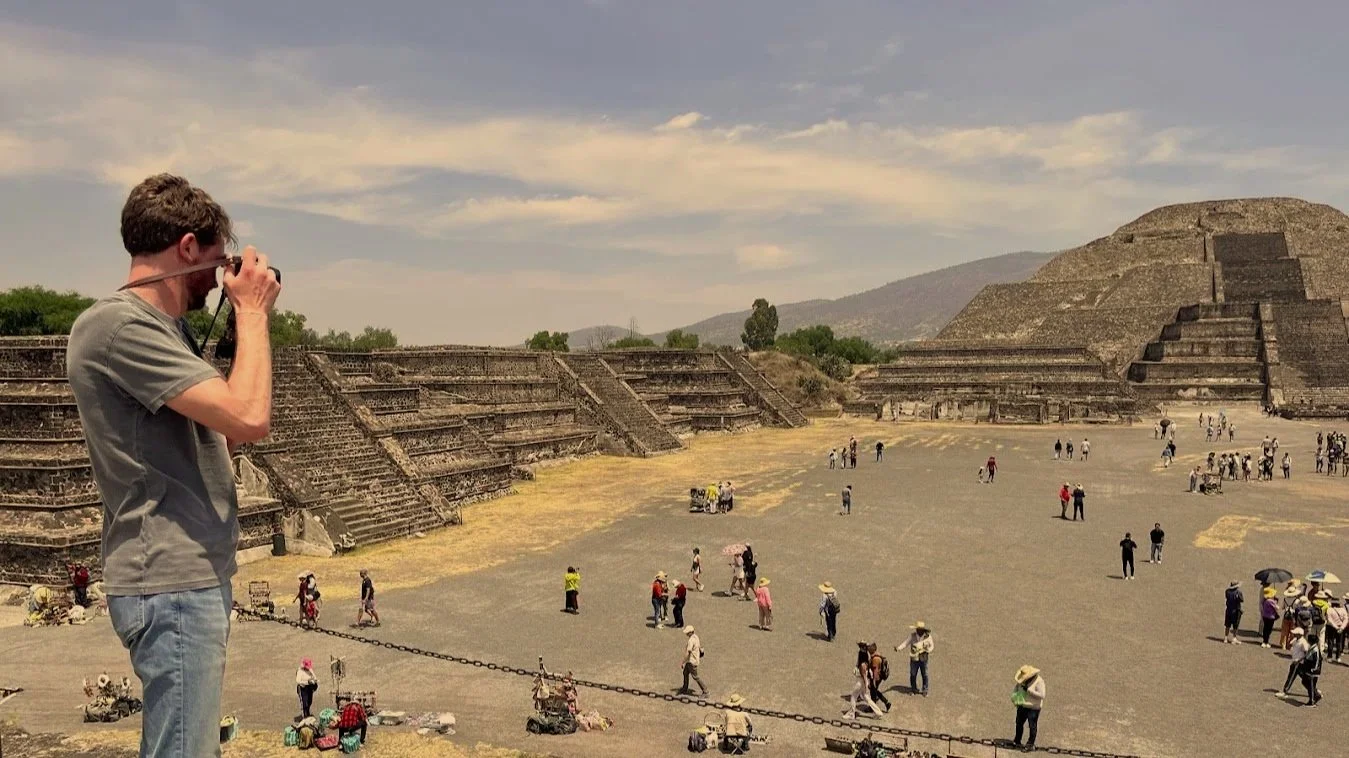
Short inputs, hands-on assignments and plenty of feedback from the group. In the host city you photograph a street, interview a local person about their work and film a short story with a small group, all on your phone. Then we bring the same skills back to the classroom: how to document learning as it happens, and how to share it with care. On the last working day, participants screen their films for each other. Cultural activities based on the host location take place in the afternoons.
*The programme is provisional and subject to change.
-
Welcome Aperitivo and Introduction to the Course
-
Course Introduction
Introduction to the course
Introduction to the host city and the week's cultural activities;
Icebreaker activities;
Presentations of the participants' schools and institutions.
The teacher as storyteller
Why stories work: what research on memory tells teachers;
A lesson is a story: beginning, problem, and turn;
Reading a short video like a text: the hook, the first three seconds, the cut;
A story or an announcement? Why most school posts do not work;
Activity: retell one lesson or one school moment as a story.
-
Photography: seeing like a photographer
The craft: light, framing, distance, and the decisive moment;
Craft study: how photographers tell a story in a single frame, and in a sequence;
In the classroom: photographing the process of learning, not the posed result;
Activity: a five-picture photo essay about one street in the host city, then a five-picture sequence showing one learning process.
-
Journalism: listening like a journalist
The craft: finding the story, asking good questions, and then listening;
Checking facts and being fair: what journalists owe their audience;
Writing clearly: headlines, captions, and short text that people actually read;
In the classroom: interviewing children about their work, and recording their exact words;
Activity: interview a person in the host city about their work, and write it up as a short story with photographs.
-
Film: thinking in shots
The craft: wide, medium, close, and detail shots, and how they build a sequence;
Sound is half the film: recording clear audio with a phone;
Short and long: how a 30-second vertical video and a three-minute documentary tell the same story differently;
In the classroom: filming learning without interrupting it;
Activity: in small groups, shoot one story in the host city for two formats.
-
Editing, ethics, and sharing
Editing is where the story is made: what to keep, what to cut, and what order to show it in;
Titles, captions, and music: helping the audience without telling them what to feel;
Documentation and promotion: two different jobs, two different audiences;
Children's images online: consent, data protection, and when not to post;
Where school stories live: families, colleagues, community, and social media;
Screening: participants show their films and give each other feedback;
Course evaluation: a round-up of acquired competencies, feedback, and discussion;
Awarding the course Certificate of Attendance.
Structured cultural activity(ies) based on the hosting location
Who is This For
Teachers and school leaders who want to tell their school's story better, and anyone who documents or communicates about learning in a school, from early years to secondary. No experience with cameras or editing is needed. Bring a phone. Coming as a pair from one school, a teacher with the colleague who looks after communication, works especially well.
What You Take Home
Finished work of your own: a photo essay, an interview written up as a short story, and a short film made on a phone.
Ways to document children's learning through images, recordings and children's own words, and to use them to reflect on your teaching.
A clear approach to sharing children's images ethically, with consent and respect for privacy.
A storytelling plan for your classroom or school.
A Certificate of Attendance, usable towards professional development hours.
-
Understand why stories work: how they shape attention, memory, and understanding;
Apply the basics of photography: light, framing, distance, and moment;
Use the core skills of journalism: finding a story, interviewing, listening, checking facts, and writing clearly;
Plan, shoot, and edit short films on a phone, for both short social media formats and longer ones;
Document children's learning through images, recordings, and children's own words, and use it to reflect on teaching;
Tell stories about children and schools ethically, with consent and respect for privacy;
Produce a storytelling plan for their classroom or school.
Meet Your Facilitator
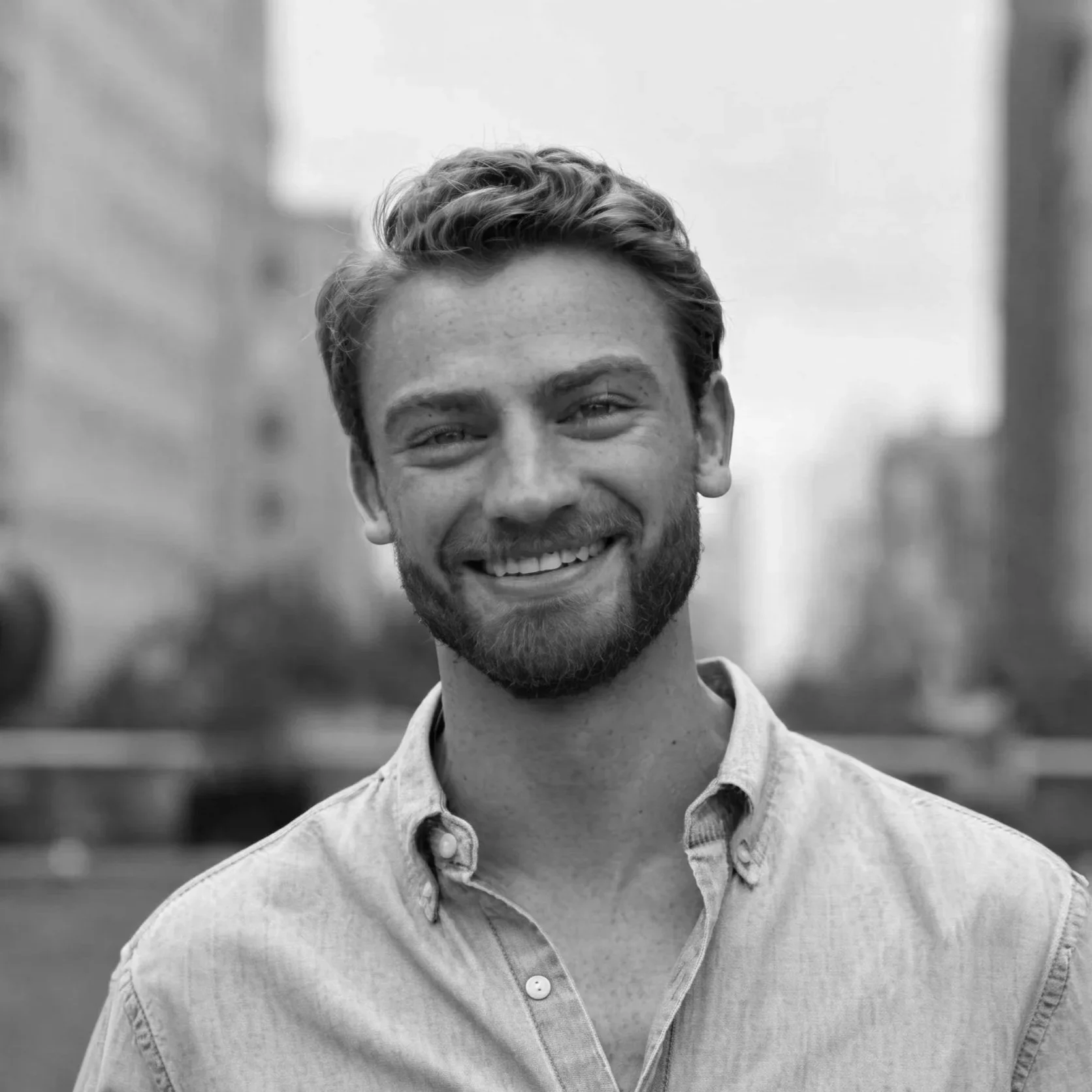
Theodore J. Weiss
Theodore J. Weiss is a filmmaker, journalist, and executive strategist specializing in social documentary production. A graduate of Columbia University's Graduate School of Journalism, his piece “Before It’s Gone” documented the race to preserve cultural heritage threatened by regional conflict and won the Morton Mintz Prize for Comparative International Journalism. His short documentary “Hidden Costs,” which investigates labor exploitation and safety challenges faced by NYC delivery workers, will be showcased at New York Law School.
Further Reading & Useful Resources
Carr, M., & Lee, W. (2012). Learning Stories: Constructing Learner Identities in Early Education. SAGE.
Kovach, B., & Rosenstiel, T. (2021). The Elements of Journalism: What Newspeople Should Know and the Public Should Expect (4th ed.). Crown.
Lambert, J., & Hessler, B. (2018). Digital Storytelling: Capturing Lives, Creating Community (5th ed.). Routledge.
Project Zero & Reggio Children. (2001). Making Learning Visible: Children as Individual and Group Learners. Reggio Children.
Willingham, D. T. (2021). Why Don't Students Like School? (2nd ed.). Jossey-Bass.
Fees & What’s Included
Two ways to join.
Both include the same course and the same participant services; the full package adds your accommodation.
Full package · €1,445Early registration price.
After - €1,545.
Course fee, participant services and six nights of accommodation with breakfast.
Limited availability, depending on the location. Tell us when you register and we will confirm it with you.
Course and services · €700Course fee and participant services. You arrange your own accommodation, and we share suggestions once your place is confirmed.
-
Course fee, €480: full participation in the programme, facilitation and pedagogical accompaniment throughout the week, interpretation where needed, Certificate of Attendance.
-
Participant services and cultural programme, €220: welcome aperitivo on the first evening, coffee breaks, a closing dinner, a cultural visit, the welcome packet with schedule and readings, course materials, translation when required and transport within the programme.
-
Six nights of accommodation, with breakfast, near the course venue, and three lunches during the programme, on top of everything above.
The full package depends on the accommodation we can secure at each location, so places are limited. Tell us when you register if you would like it, and we will confirm availability.
-
The early registration price applies to pre-registrations made eight weeks or more before the course starts. Later registrations cost €1,545, because of short notice accommodation and arrangements.
-
Travel to and from the course location, and meals outside the programme, and personal purchases.
Dates and Registration
4 to 9 April 2027, Reggio Emilia, Italy. Early price until 7 February 2027.
6 to 11 June 2027, Olbia, Sardinia, Italy. Early price until 11 April 2027.
24 to 29 October 2027, Olbia, Sardinia, Italy. Early price until 29 August 2027.
The course runs once enough participants have registered; please wait for our confirmation before booking travel.
-
We confirm each course by email once enough participants have registered. Book flights and accommodation only after that, and choose flexible bookings; if we have to cancel a course, we refund you in full, but we can't cover travel costs.
-
No. Pre-registration is free and there is no deposit. You pay by bank transfer only once your place is confirmed, and the amount is the one shown on the course page, with no extra fees. If your Erasmus+ grant hasn't arrived yet, tell us and we'll agree a timeline.
-
Yes. All our courses fit Erasmus+ KA1 staff mobility. We provide a confirmation letter, a Learning or Mobility Agreement on your institution's template, a fee breakdown and a Certificate of Attendance. Our OID is E10299488.
-
Tell us as early as you can. You can pass your place to a colleague or move to a future course at no cost. If you need a refund instead, the terms depend on how close to the start you cancel; they are in our Terms and Conditions.
-
See the full FAQ.