
THE CITY AS ATELIER
Place-Based Learning
04-10 October 2026
Reggio Emilia, Italy
At a Glance
Dates: 05 - 10 October 2026
Location: Reggio Emilia, Italy
Who it's for: Educators, school leaders, architects, museum and cultural practitioners, learning designers — individually or as a team
Language: English, with Italian–English translation support for school visits and selected sessions
Group size: Limited to 20 participants. The course is confirmed upon reaching 15 registrations.
Program fee: €1,250
What the fee covers: Course fee (learning activities, Loris Malaguzzi International Center, REMIDA, atelier experience): €660 Full-day guided school visit to two Reggio schools: €350 Participant services and cultural program (translation, private bus transport, three shared meals, Parmigiano Reggiano dairy visit, Il Borgo del Balsamico): €240
If you are joining from an Erasmus+ funded institution and need further details, please get in touch.
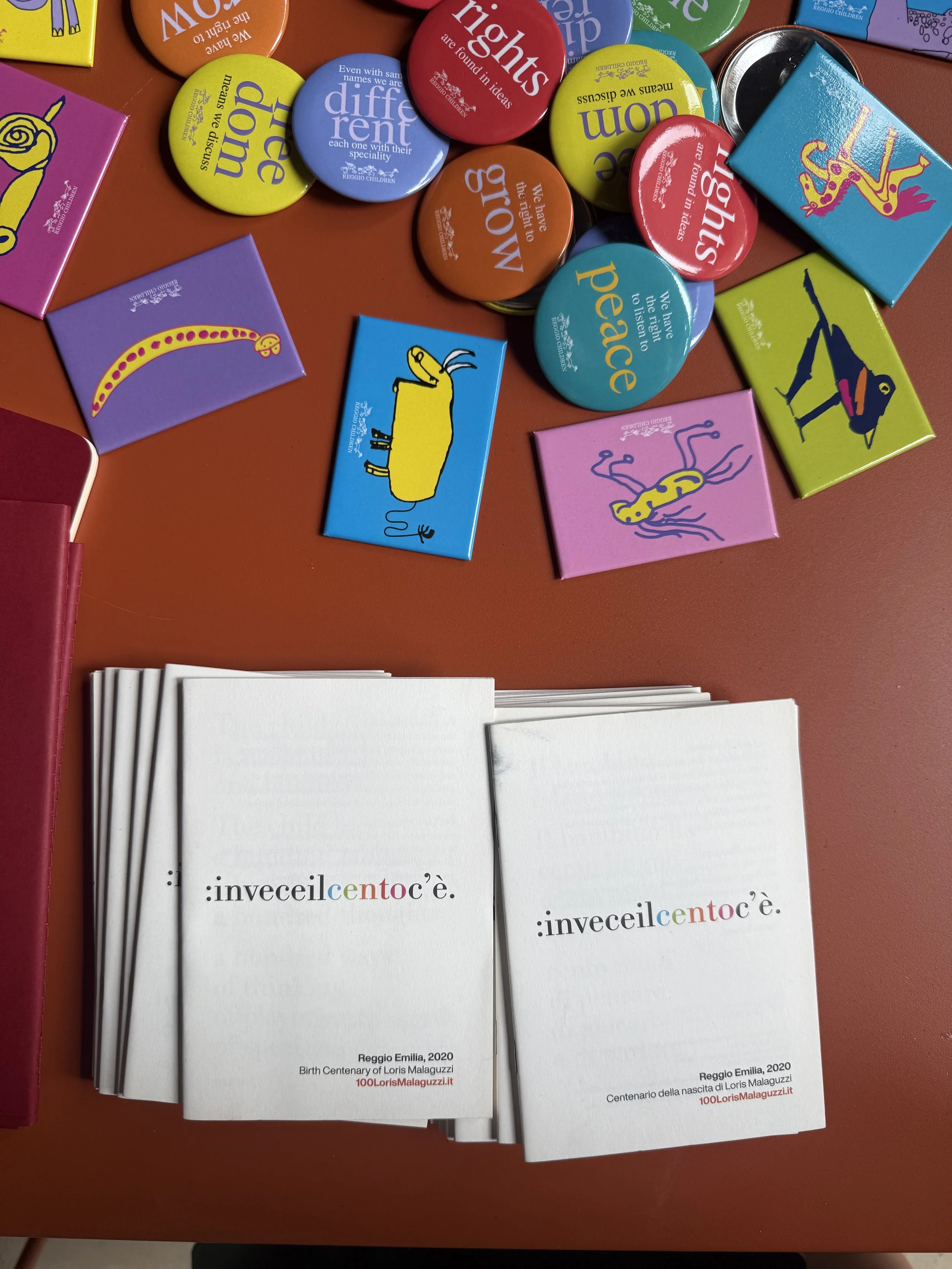
Every space holds the potential to shape how we think, feel, and connect. Schools are just one node in a wider landscape of learning — streets, parks, libraries, markets, and museums each carry stories, perspectives, and invitations to see the world differently.
In this professional learning experience, we explore the city as a living, breathing classroom. We ask: What does it mean to learn with a place, not just in it? How does the design of learning environments shape the ways we teach and learn?
Drawing on Reggio Emilia as a living example, we explore how schools can enter into dialogue with their surroundings — transforming streets, piazzas, museums, and everyday places into sites of inquiry and creativity. Through reflective city walks, attentive observation, visits to schools and ateliers, and collaborative dialogue, we explore how to design experiences that are rooted in place, responsive to context, and alive with possibility.
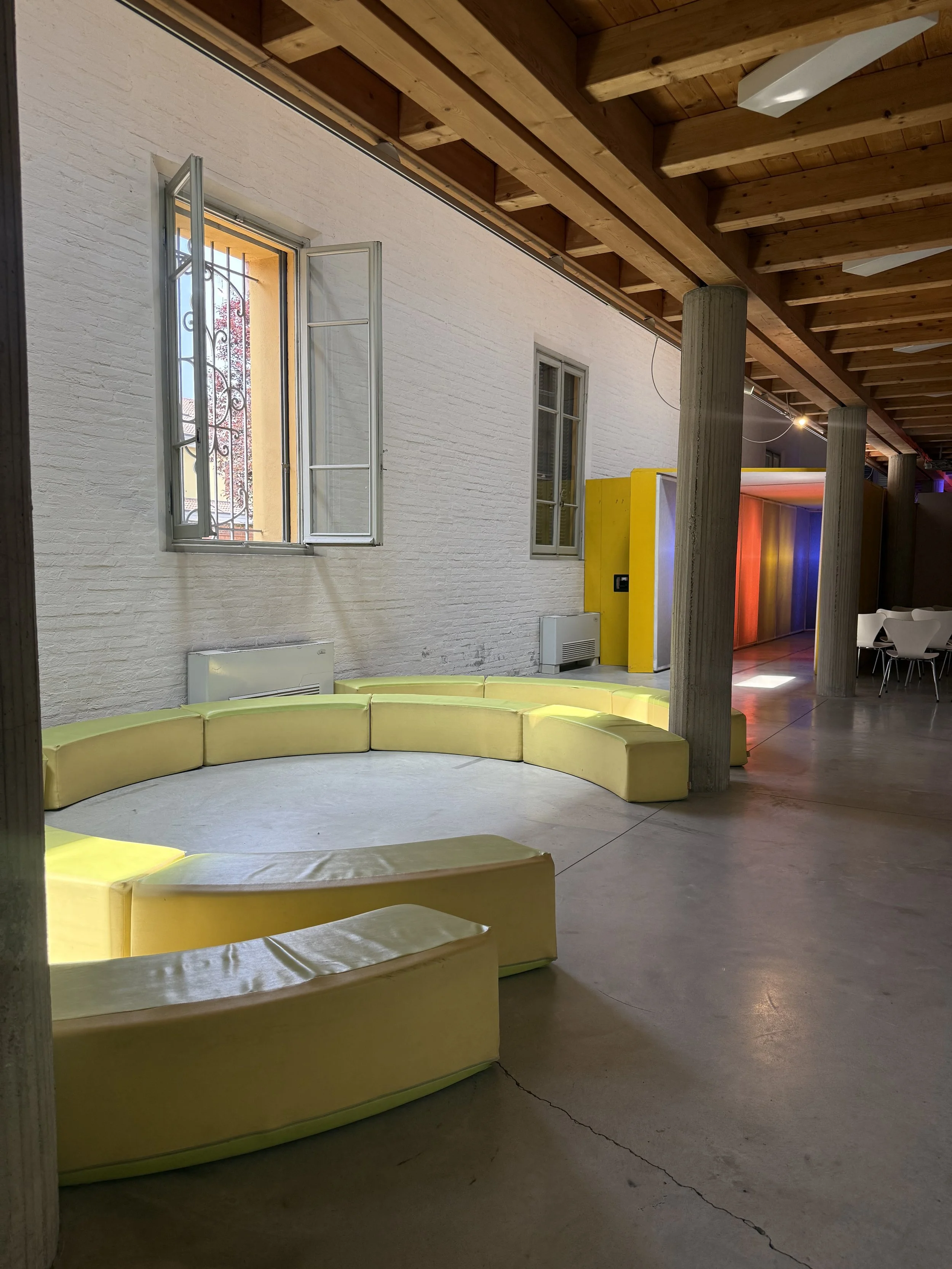
What if the city itself became the classroom?
Every place holds a story.
Every story can become a lesson.
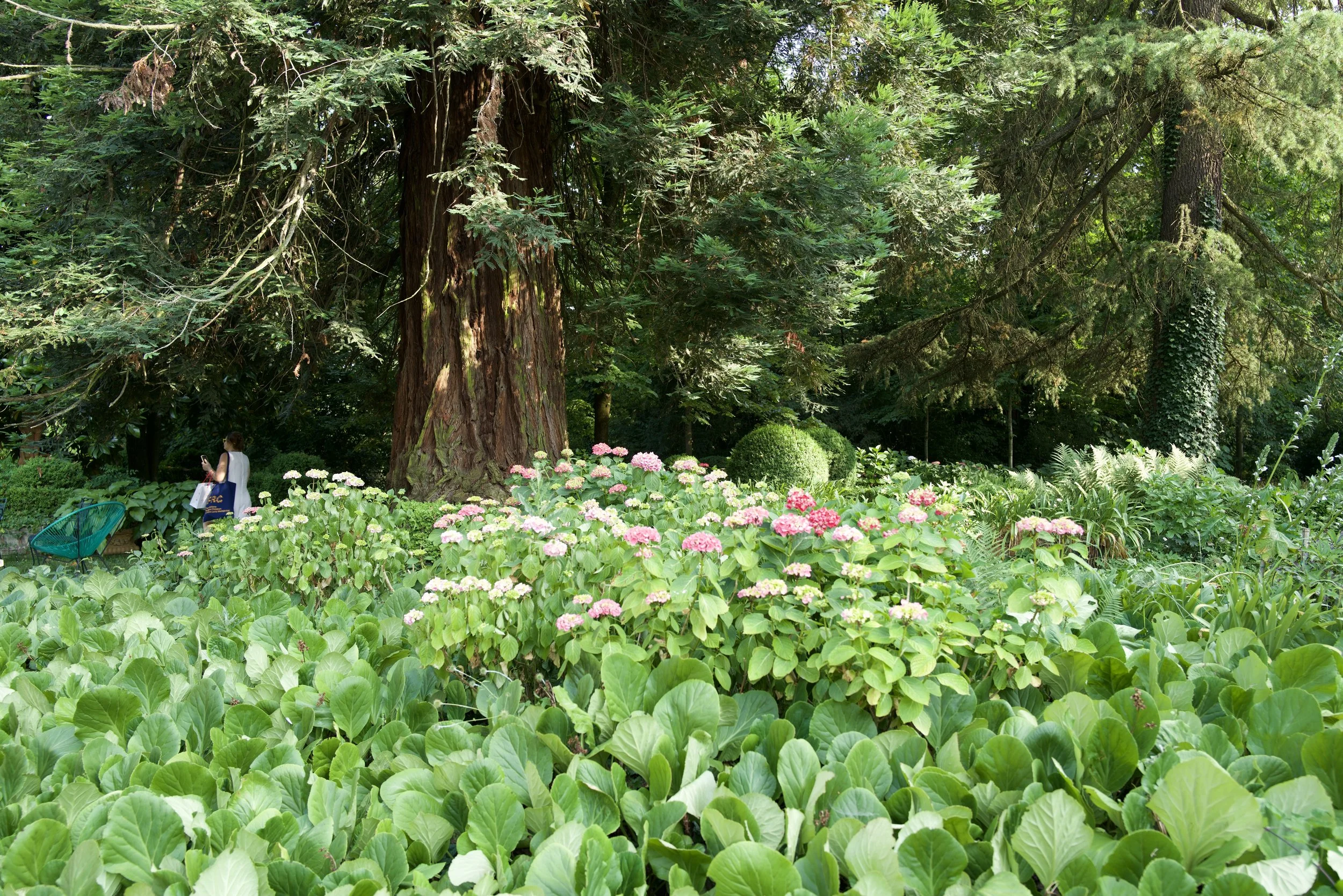
When schools step beyond their walls, the city becomes a co-teacher. Its parks, markets, libraries, and public spaces invite encounters that deepen understanding while nurturing well-being, ecological awareness, and civic responsibility. A garden becomes a living lesson in interdependence. A walk through city streets opens questions of history, justice, and memory. A conversation with local artisans transforms abstract concepts into skills felt through the hands.
We believe that education can be global, but it must also be rooted in the places we call home. When learning begins where we are — in lived environments, neighbourhood rhythms, and everyday realities — it stops being something acquired and starts being something lived. And when it is lived, it travels. Students who have learned to read their own place are far better equipped to engage critically with the wider world.
A Journey Made of Encounters
The program unfolds across six days through city walks, ateliers, workshops, school visits, cultural encounters, and reflective dialogue. Participants move through Reggio Emilia — not as tourists, but as learners with a question: What can this city teach us about how learning happens?
Day 1 — Sunday, 4 October: Arriving & Orienting Afternoon arrival and hotel check-in; free time to settle into the city. Evening: welcome aperitivo and group dinner — introductions, first conversations, and the beginning of something.
Day 2 — Monday, 5 October: The City as Teacher Morning: a facilitated city walk through Reggio Emilia, observing piazzas, streets, markets, and public spaces through an educational lens. Reflective dialogue and open windows — time for participants to share their contexts and questions. Afternoon: seminar on designing city-based inquiry experiences — frameworks, principles, and practical tools for transforming urban environments into sites of learning. Evening: free exploration of the city.
Day 3 — Tuesday, 6 October: Craft, Food & Materials Morning: visit to a Parmigiano Reggiano factory — a living lesson in how place, materials, time, and generational expertise shape understanding. Afternoon: REMIDA visit and hands-on workshop — Reggio Emilia's creative recycling centre, where discarded materials become tools for expression and inquiry. Evening: free in Reggio Emilia.
Day 4 — Wednesday, 7 October: Reggio Children Morning: full immersion at the Loris Malaguzzi International Center — the history, values, and educational experience of Reggio Emilia schools. Afternoon: guided tour of the permanent exhibitions and ateliers of the Hundred Languages. Evening: Atelier dei Sapori at Pause — a multisensory experience placing the languages of food at its centre, including OctoStudio, storie di gusto (Fondazione Reggio Children × MIT Boston).
Day 5 — Thursday, 8 October: Schools & the City Full-day school visit. Morning: observation at Scuola in Golena / Nido Comunale 'Carmen Zanti', Brescello — guided by pedagogistas and atelieristas. Afternoon: professional formation session at Sala Civica Prampolini, Brescello — facilitated dialogue bridging observed practice with participants' own contexts. Late afternoon: visit to Nido Iride — exploring a second early childhood environment. Evening: return to Reggio Emilia.
Day 6 — Friday, 9 October: Closing Day Morning: guided visit to Il Borgo del Balsamico — an immersive encounter with the ancient craft of traditional balsamic vinegar. A final place-based experience. Late morning: course roundup, collective reflection, and Certificate of Completion ceremony. 13:30–15:00: farewell lunch. .
Day 7 - Saturday, 10 October: Half-day guided visit. Departures
This is a provisional programme. Exact timings and sequence may be refined. Confirmed details are shared with registered participants ahead of the course.
What You’ll Take Home
A curated set of prompts and protocols for city walks, observation, and place-based inquiry — usable in your own context immediately.
Design ideas and concrete examples drawn from Reggio schools, ateliers, and community projects — adapted to a range of educational settings.
A draft plan for one or two place-based projects shaped around your learners, your setting, and your constraints.
Shared language and conceptual frameworks to support conversations with colleagues, school leaders, and families about place-based learning.
A Certificate of Completion, which may be applied toward professional development hours where applicable.
And something harder to name but just as real: a renewed relationship with your own place, and the confidence to design learning experiences rooted in context, community, and curiosity.
Our Team
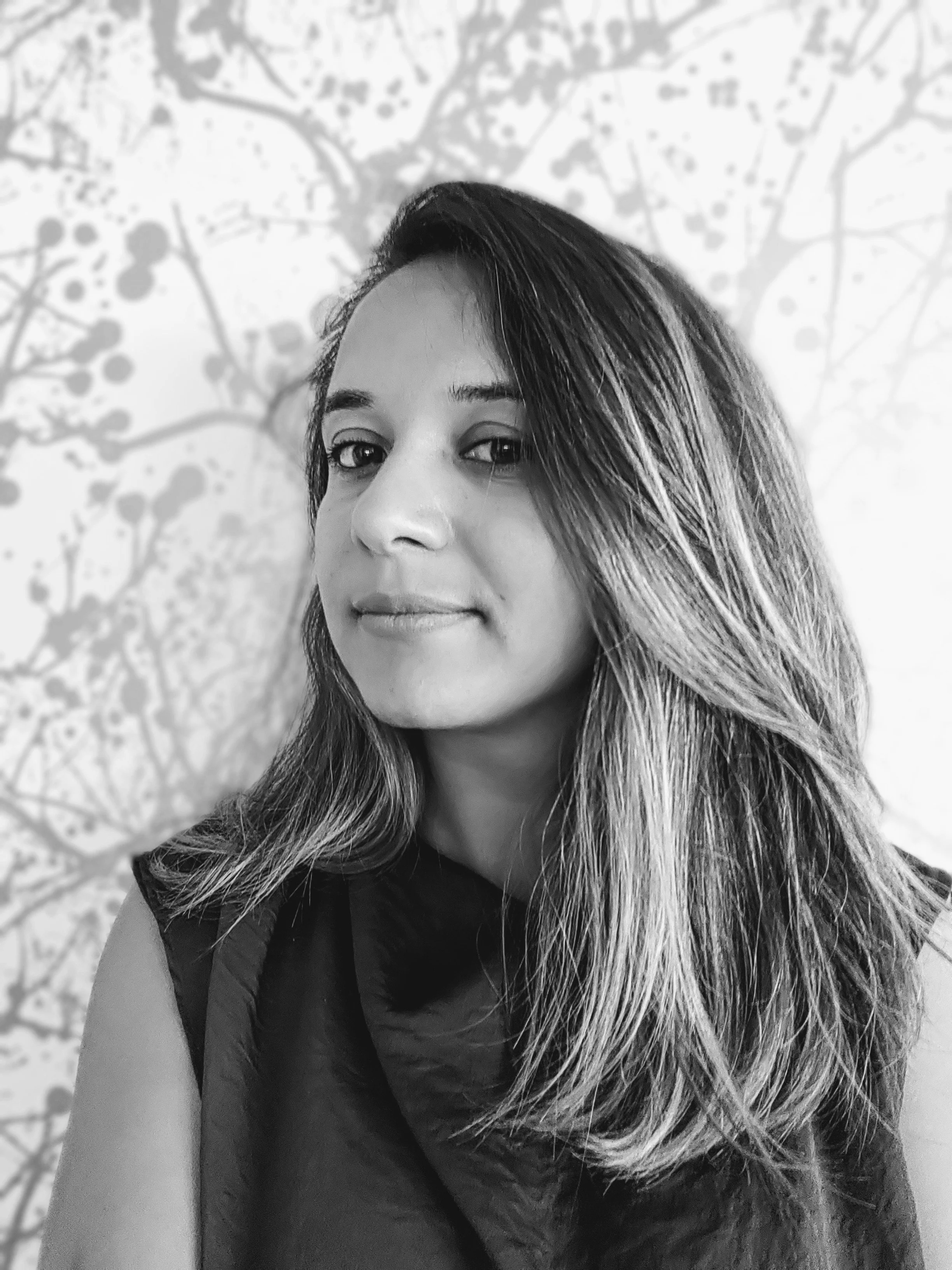
Ozgen Bagci
Ozgen is an educator, learning designer, and community connector whose work explores the intersection of imagination, place-based learning, and creative pedagogy. She is the founder and creative director of Educ@demy, where she designs and facilitates immersive learning experiences that invite educators to see cities, materials, and everyday environments as active partners in learning. She currently serves as Academic Program Director at ETS Local Partner in Italy and as a Community Lead for Western Europe at HundrED.
Founder & Creative Director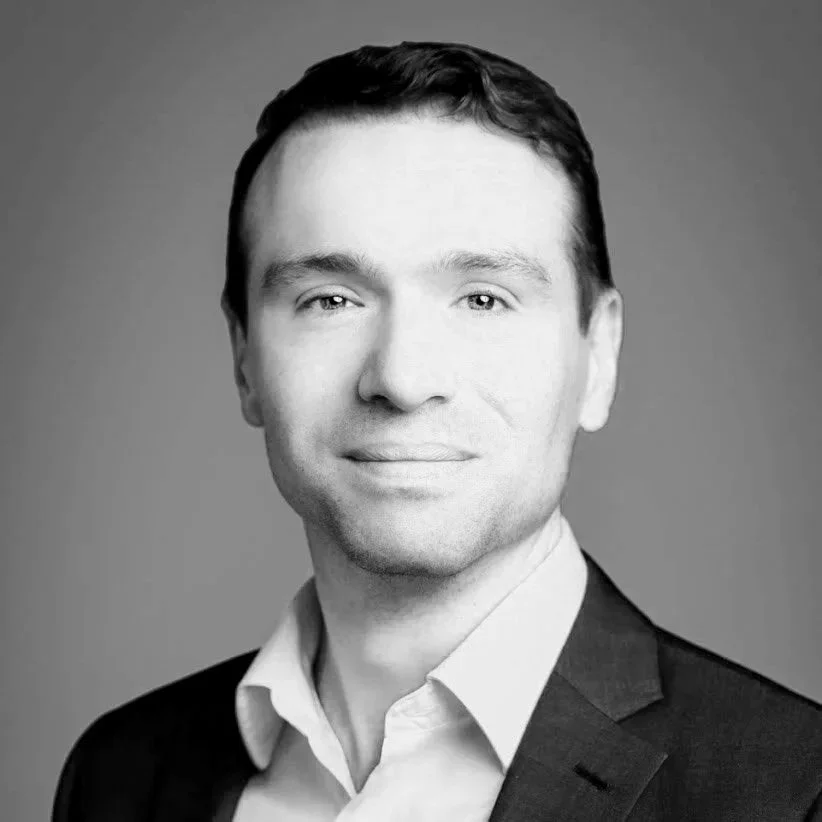
A.J. brings two decades of experience designing programs and schools to expand opportunities for all learners. As a high school principal, middle school teacher, nonprofit founder, university professor, and Harvard fellow, he brings fluency across the full arc of education — from the classroom to policy to institutional redesign. He holds a doctorate in Educational Leadership from the University of Pennsylvania and is a Strategic Data Project Fellow at Harvard's Center for Education Policy Research. He serves as a Community Ambassador and Innovation Evaluator for HundrED.
Lead FacilitatorA.J. Ernst, Ed.D.
In Reggio Emilia, the city itself is our co-facilitator. The atelieristas and educators at the Loris Malaguzzi International Center, the researchers and creative practitioners at REMIDA, the pedagogistas and atelieristas of Scuola in Golena and Nido Iride, the artisan guiding us through a Parmigiano Reggiano dairy, the keeper of traditions at Il Borgo del Balsamico — all are part of how we learn together here. Knowledge lives in people, in materials, and in place.
Reggio Emilia | A Living Case Study
For more than sixty years, Reggio Emilia has shown the world how to design environments that listen — how to make visible the learning that often remains unseen, and how to root education in the life of the community.
Walking through Reggio, you notice how learning and daily life intermingle. The city demonstrates what becomes possible when schools listen to their context, value its resources, and invite learners to engage with it directly. Schools, families, and public spaces function as one interconnected learning ecosystem. The environment is understood as the third teacher — shaping dialogue, agency, and possibility.
For visiting educators, Reggio Emilia is not a model to replicate. It is an experience to think with. It shows how schools can weave themselves into the fabric of their city, and how cities can embrace education as a collective responsibility. This is why we chose it — not only for its schools, but for the way the entire city becomes a learning space.
PRE-REGISTRATION FORM
This form allows us to get to know you and your context as we curate the learning group for The City as Atelier.
Once submitted, we will reach out with confirmation and details about the next steps.
Glimpses from June 2025
Wonder ToolKit for Place-Based Learning
A collection of projects, articles, and resources
-
![]()
La Citta Cresce con Noi
La città cresce con noi — The City Grows With Us
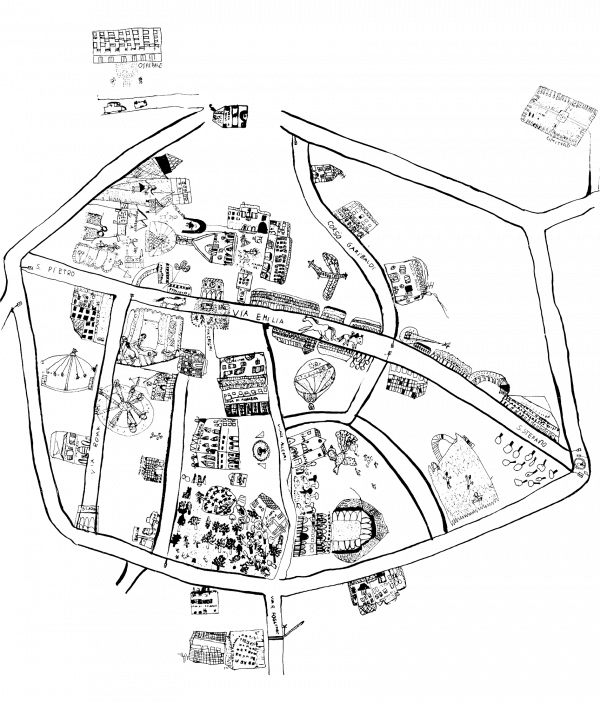
In Reggio Emilia, the relationship between children and the city is understood as reciprocal: as children grow, so too does the city. La città cresce con noi is a project that makes this visible, highlighting how urban spaces and young citizens shape one another through imagination, participation, and care.
-
![]()
Abitare il Paese
Abitare il Paese — Inhabiting the Country
This national project invites children, architects, and communities to imagine and redesign the spaces they live in. It is a call to see architecture and urban planning not as adult domains alone, but as shared civic practices that include the voices of the youngest citizens. By engaging children in rethinking the environments around them, Abitare il Paese strengthens the idea that education, design, and democracy grow together.
-
![]()
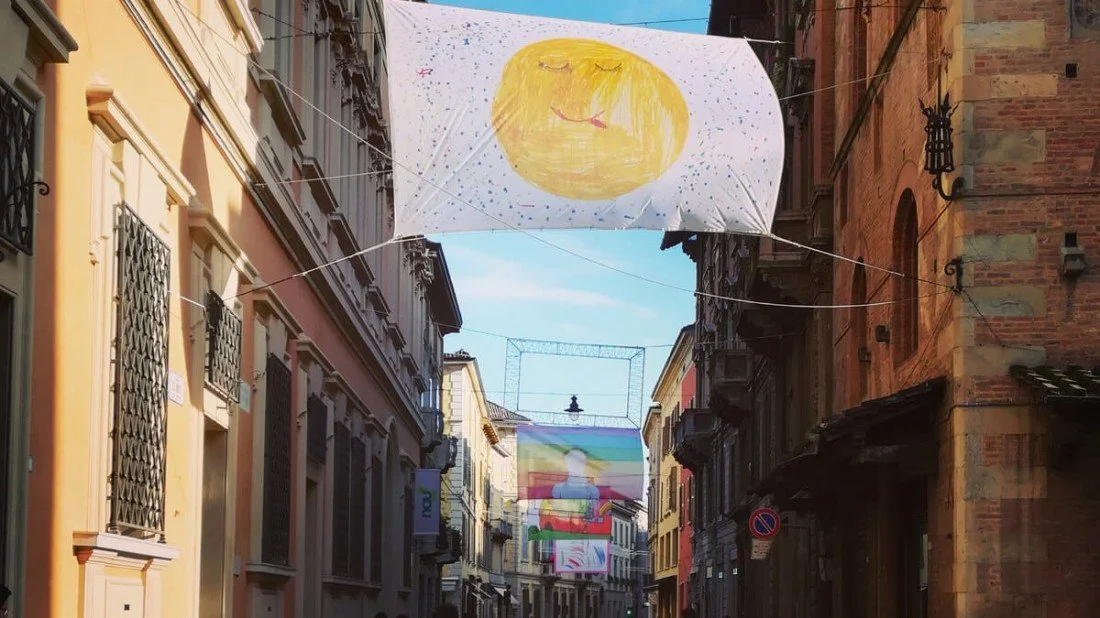
Flags for Rights
Flags4Rights – 100 Bandiere per i Diritti
An outdoor exhibition in the historic center of Reggio Emilia transformed the city into a canvas for children’s voices. One hundred flags, designed by children and young people, carried their visions of rights, identity, and community into public space. Suspended above the streets on the occasion of the 30th anniversary of the UN Convention on the Rights of the Child, the flags became a collective declaration: that children are citizens today, with perspectives that can shape civic life and inspire dialogue across generations.
-
![]()
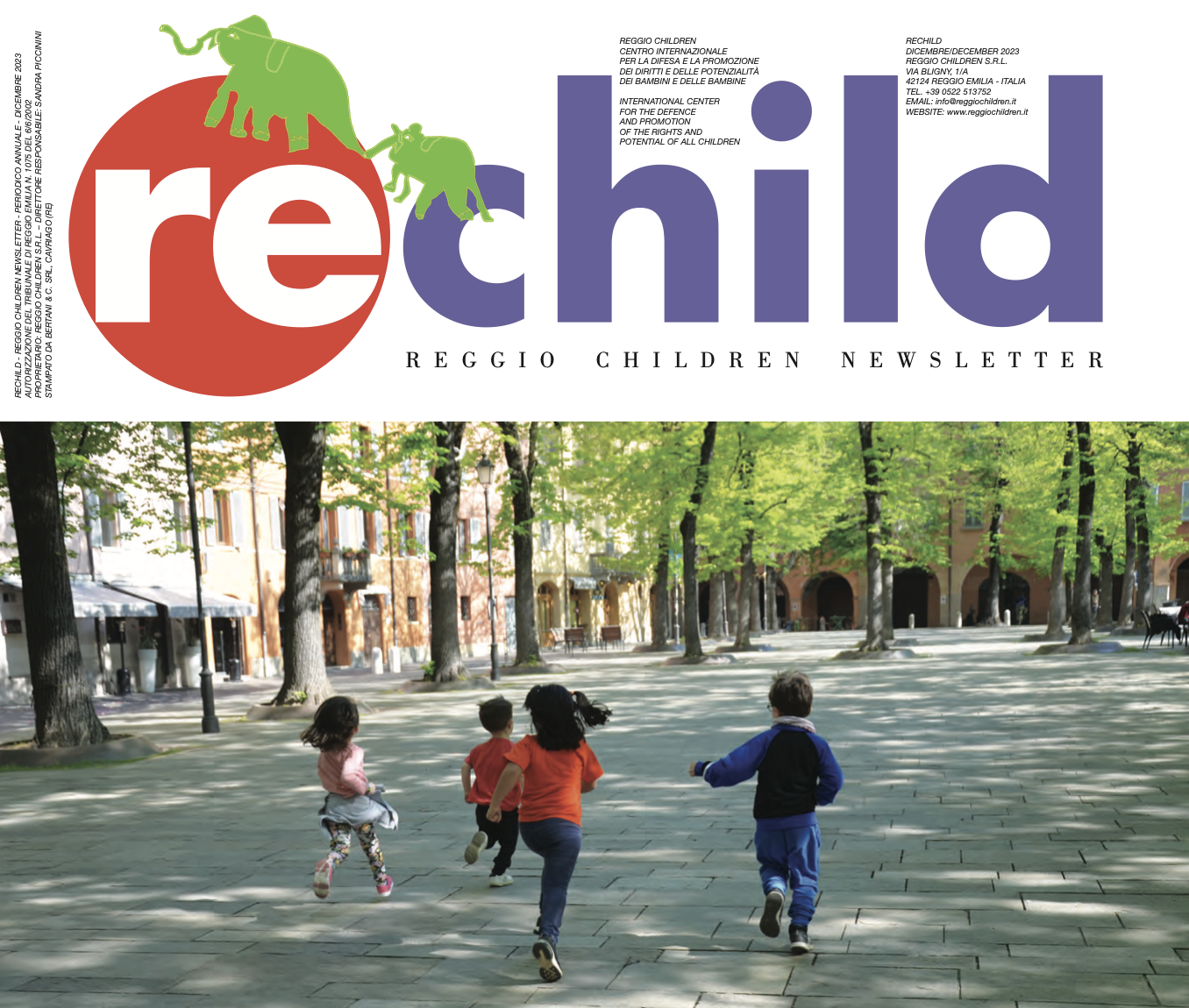
ReChild Newsletter | December 2023
This issue of Rechild, the Reggio Children newsletter, invites us into the living dialogue between schools and the city of Reggio Emilia.
Through the voices of children, families, and educators, the newsletter reflects on the City Childhood Councils, spaces where participation and democracy take root in everyday life. It is a glimpse into sixty years of Reggio’s journey, where education and community grow together, shaping a city that listens.
-
![]()
Article | Children Are Citizens: The Everyday and the Razzle-Dazzle
By Mara Krechevsky, Ben Mardell, Tiziana Filippini, and Maddalena Tedeschi
This article invites us to see children not only as learners, but as citizens from birth, with the right to shape and be shaped by their cities. Drawing on experiences in Reggio Emilia and Washington, DC, it shares how children’s voices, desires, and imaginative visions can transform public spaces into democratic laboratories of life.

Your Questions, Answered
-
Educators and school leaders from early childhood to higher education. Designers and architects specialising in educational spaces. Artists, museum educators, and cultural practitioners working in educational contexts. Learning designers and facilitators seeking to integrate community and environment into their practice. Both individuals and teams are welcome — and we actively encourage teams, as the experience is enriched when schools or organisations bring multiple voices.
-
Yes. Individuals bring fresh and often unexpected perspectives to the group. If you are joining alone, you will not feel it for long.
-
English throughout. Professional Italian–English translation is provided for school visits and selected sessions.
-
We limit each course to 20 participants. That number is deliberate — large enough for genuine diversity, small enough that no one disappears.
-
Yes. The course is compatible with Erasmus+ KA1 funding. While our participants come from many parts of the world, we reserve 25% of places for Erasmus+ funded institutions.
Cost Details:
Course Fee: €660
School Visit: €350
Participant Services and Cultural Program: €240 Translation, transportation, catering, cultural activities
Catering Fee includes:
Welcome apericena Sunday (aperitivo + dinner)
Languages of Food atelier dinner
Goodbye celebration meal
Lunch (during school visit)
If you plan to participate with Erasmus+ support, please contact us to secure your spot.
-
Flights and travel to Reggio Emilia, accommodation, and personal meals outside the three shared program meals are not included. We are happy to share accommodation recommendations with registered participants.