SXSW EDU Reflections: Wonder, Memory, and Reggio Emilia
Before I tell you about Austin, let me take you back further to 2012, to a fourth-grade classroom.
I started my career as a language teacher in Italy. Later, I spent almost a decade working in a private K–12 school in Antalya, Türkiye. One of my favorite activities at the beginning of each school year was something I called the snowball. I don’t remember where I first encountered it. But since then, I’ve used it with educators, designers, school leaders, and parents. In conference rooms and courtyards, in Italian and in English, with people who knew each other and with complete strangers.
Here’s how it works if you are curious about it:
Everyone gets a piece of paper. You write your answer to a question, crumple it into a ball, and throw it somewhere across the room. Then you pick up someone else’s snowball, open it, and find a person nearby to talk with about what it makes you think and feel. What do you notice? What does it make you curious about?
Then you repeat. As many times as you like.
What I loved and what I still love about the snowball is what it does to a room. Yes, it breaks the ice. But more than that, it breaks something else: the performance. When you’re reading someone else’s words, you’re not defending your own. You're listening, genuinely, to another person's thinking. It’s one of the most Malaguzzi-like things I know how to do without ever mentioning Malaguzzi.
And it always creates the same thing: energy, warmth, and the unmistakable feeling that you are safe in that room with those people.
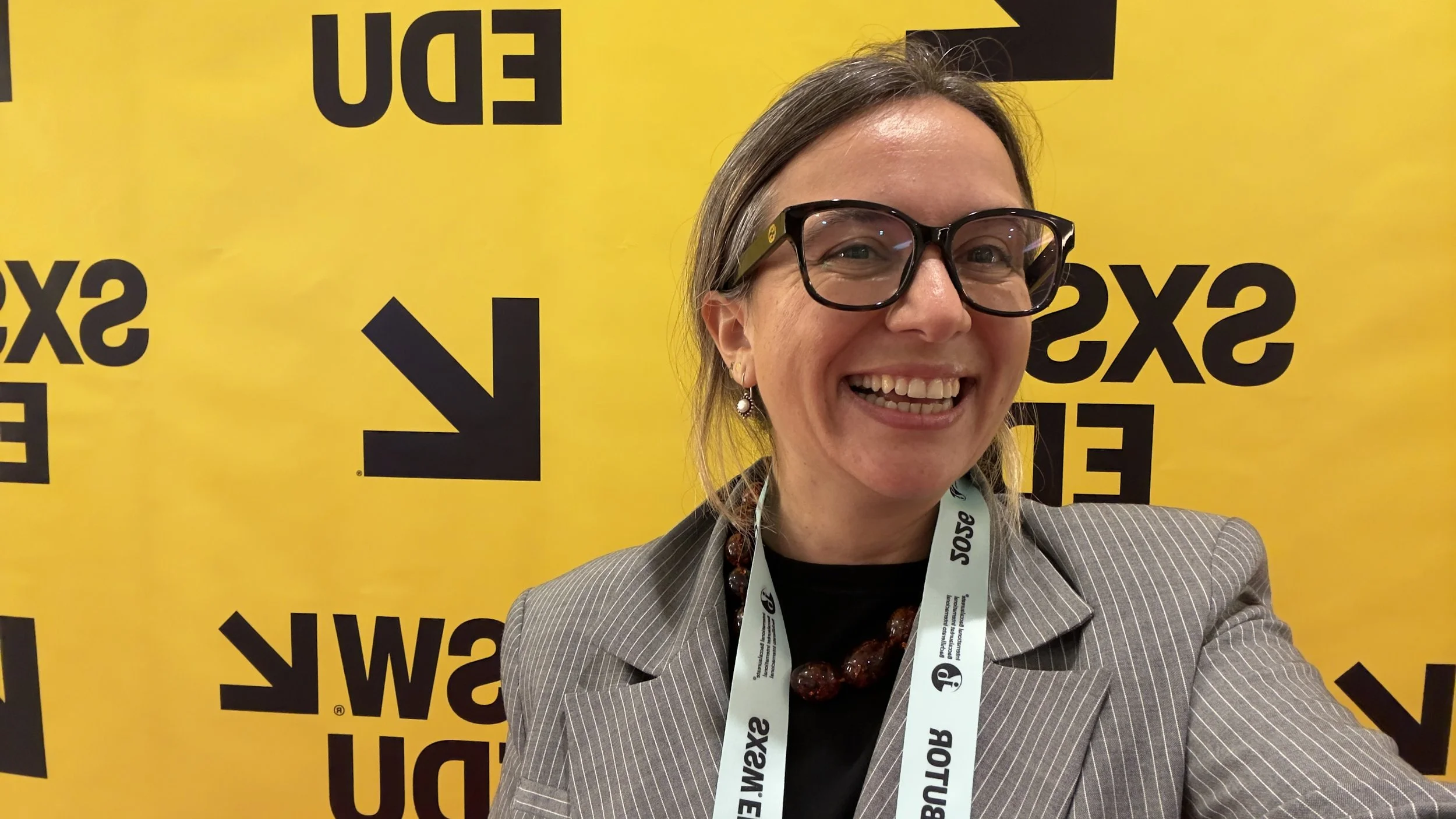
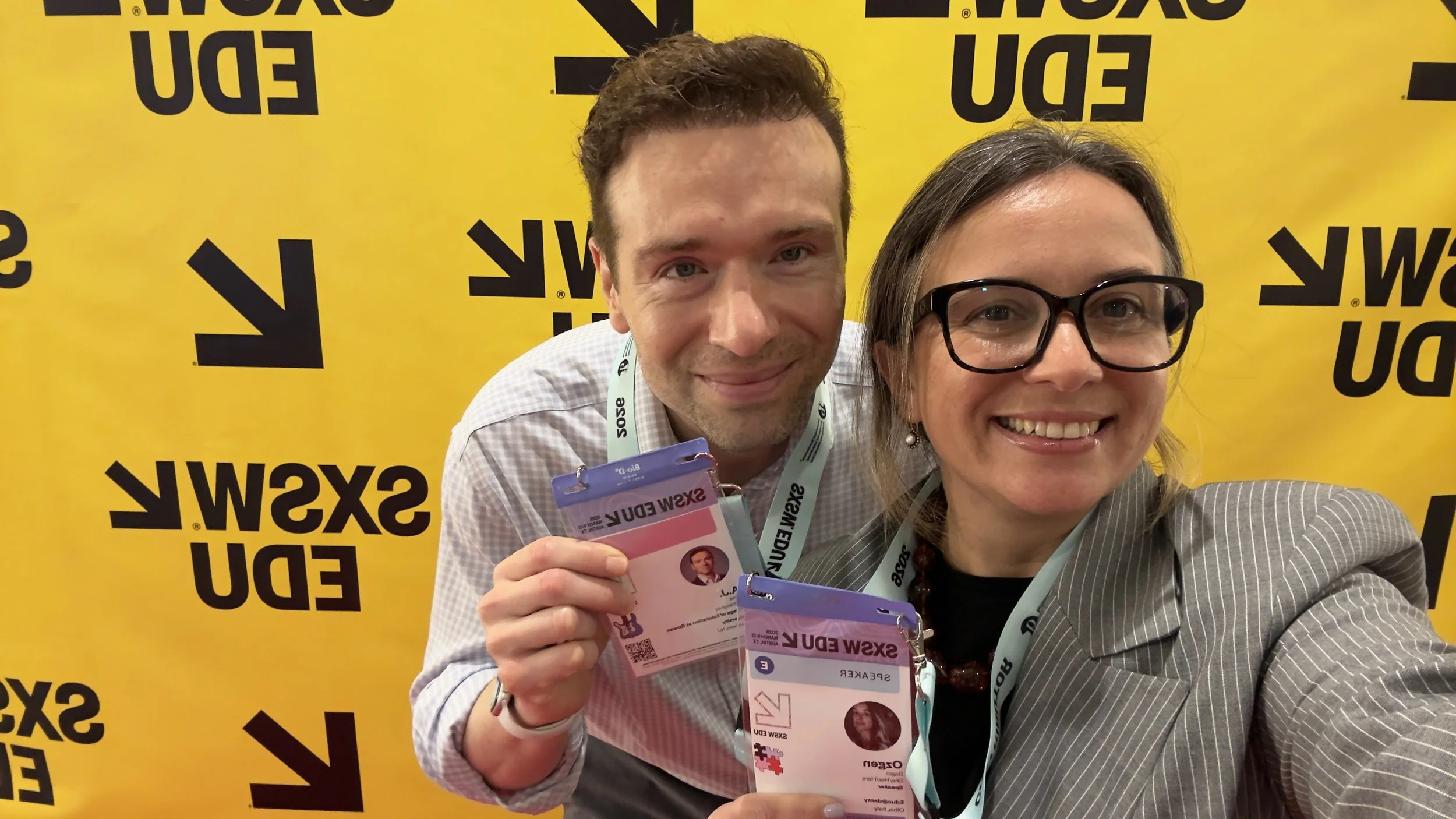
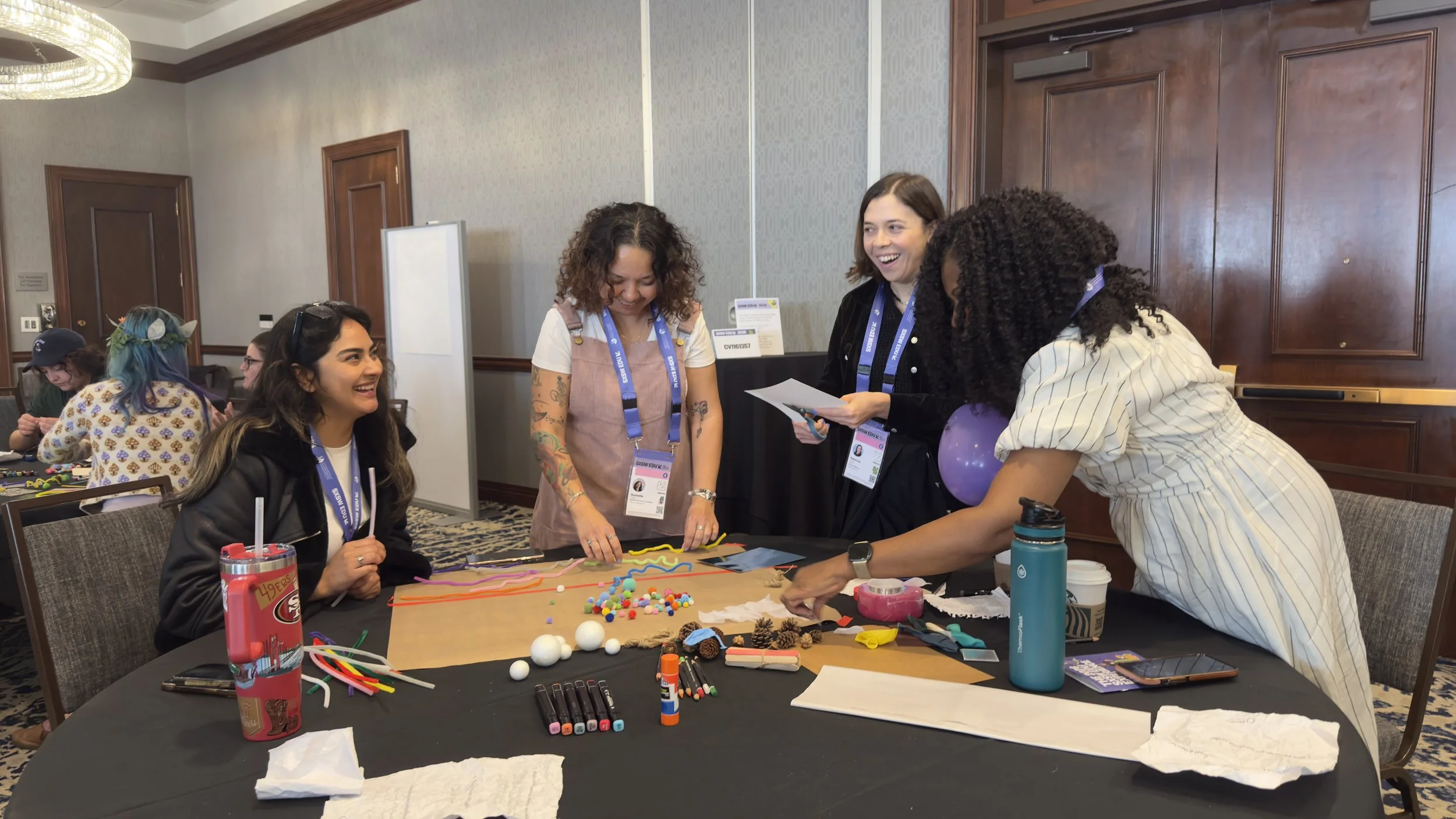
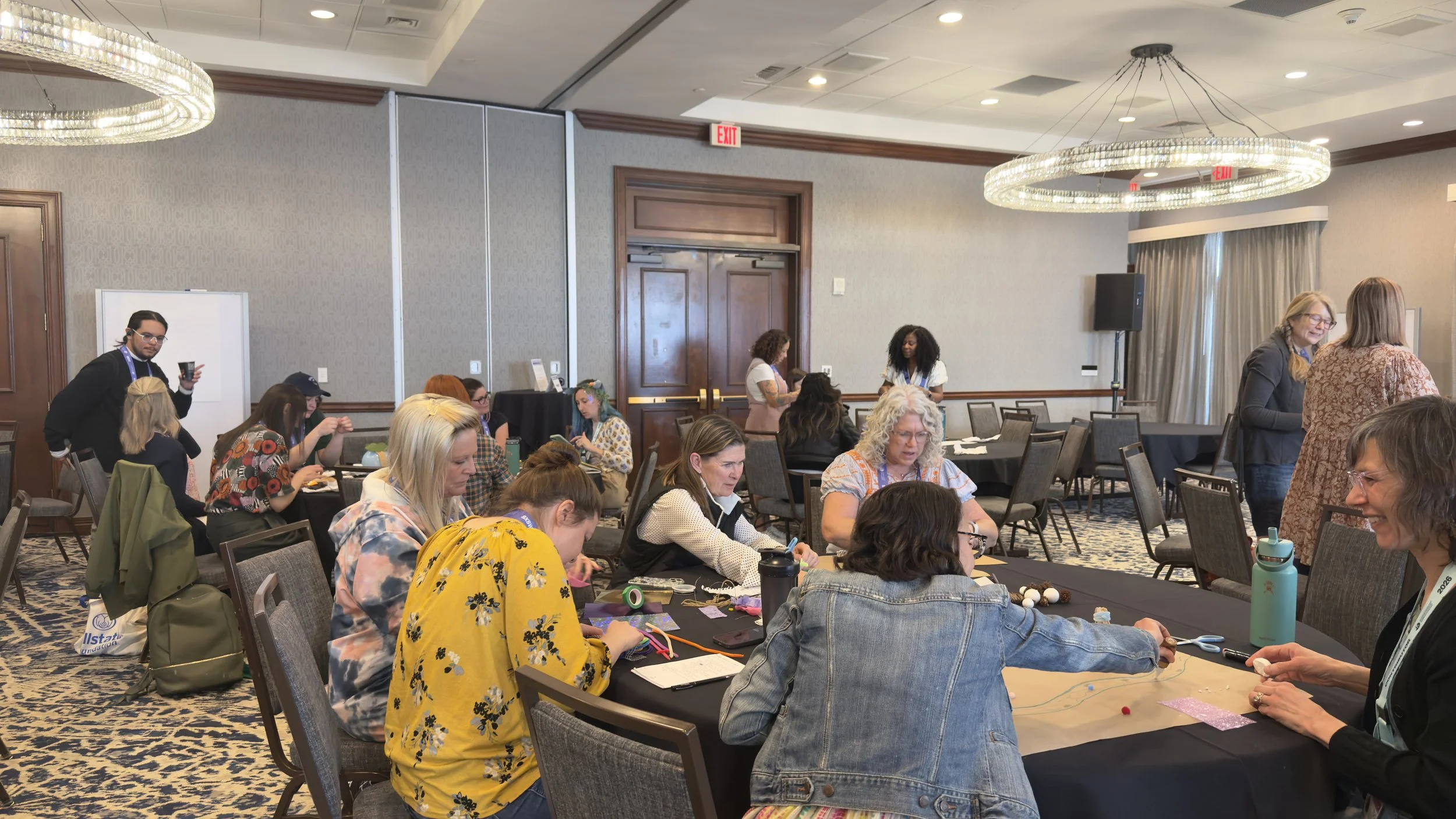
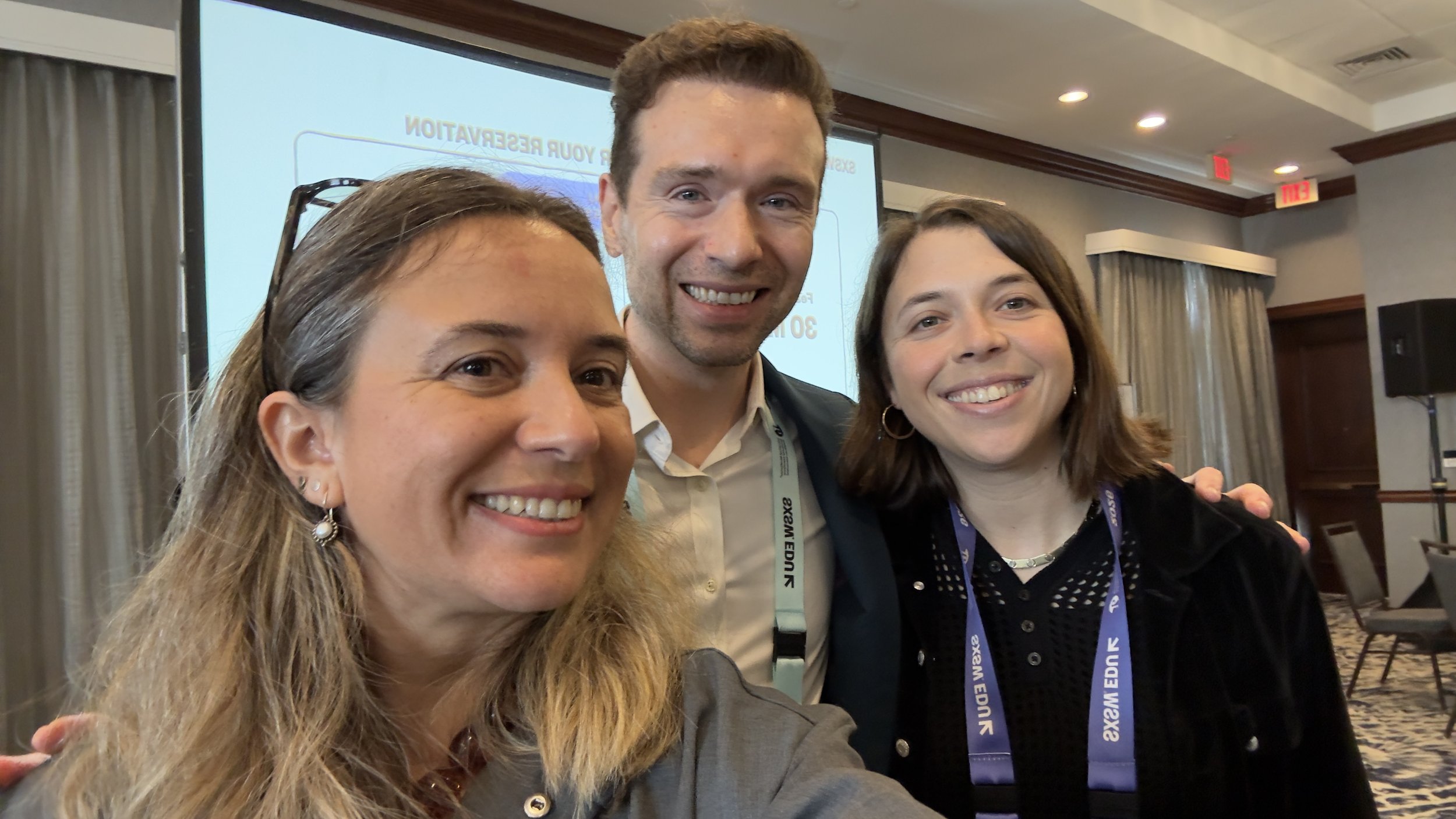
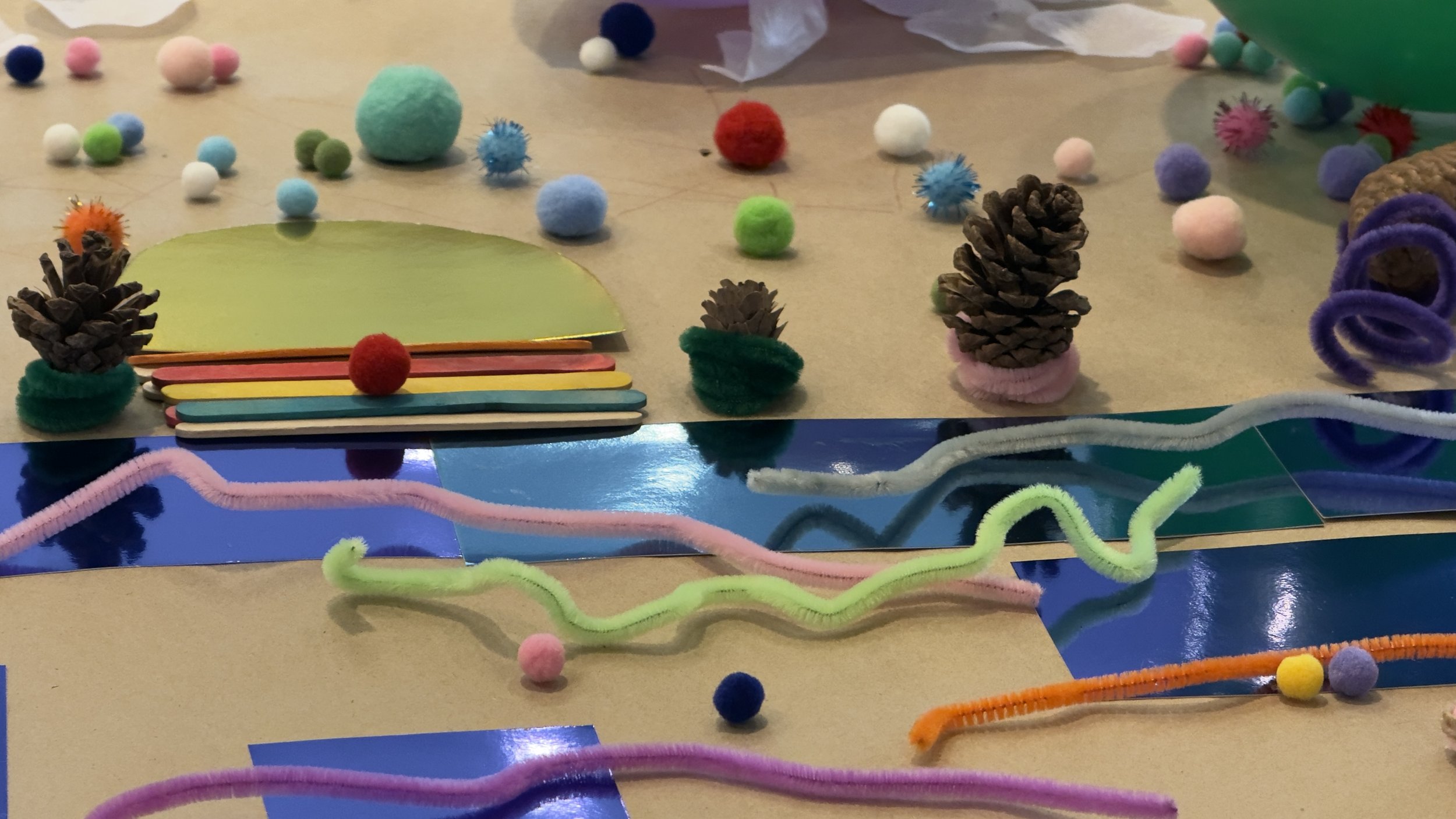
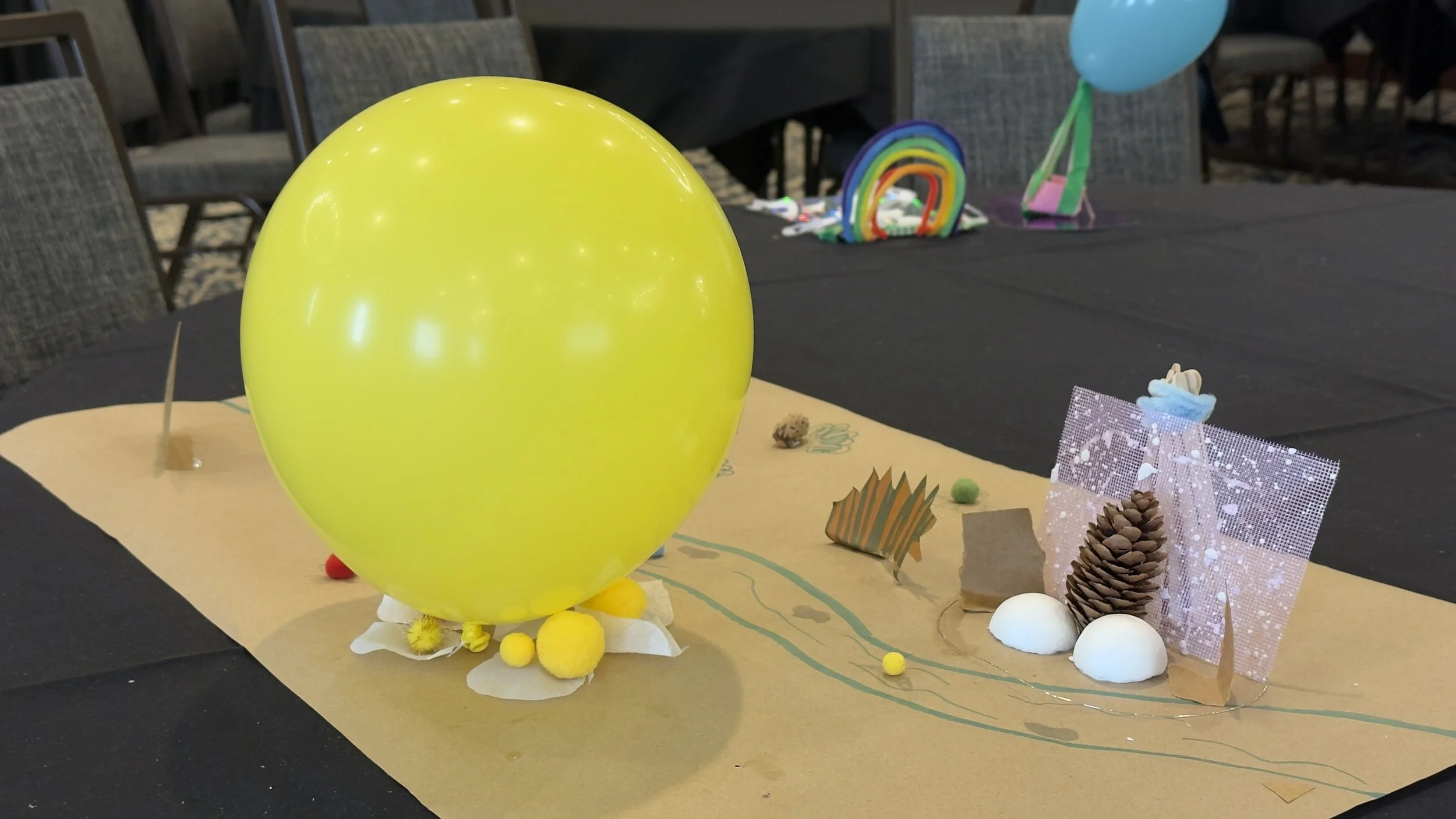
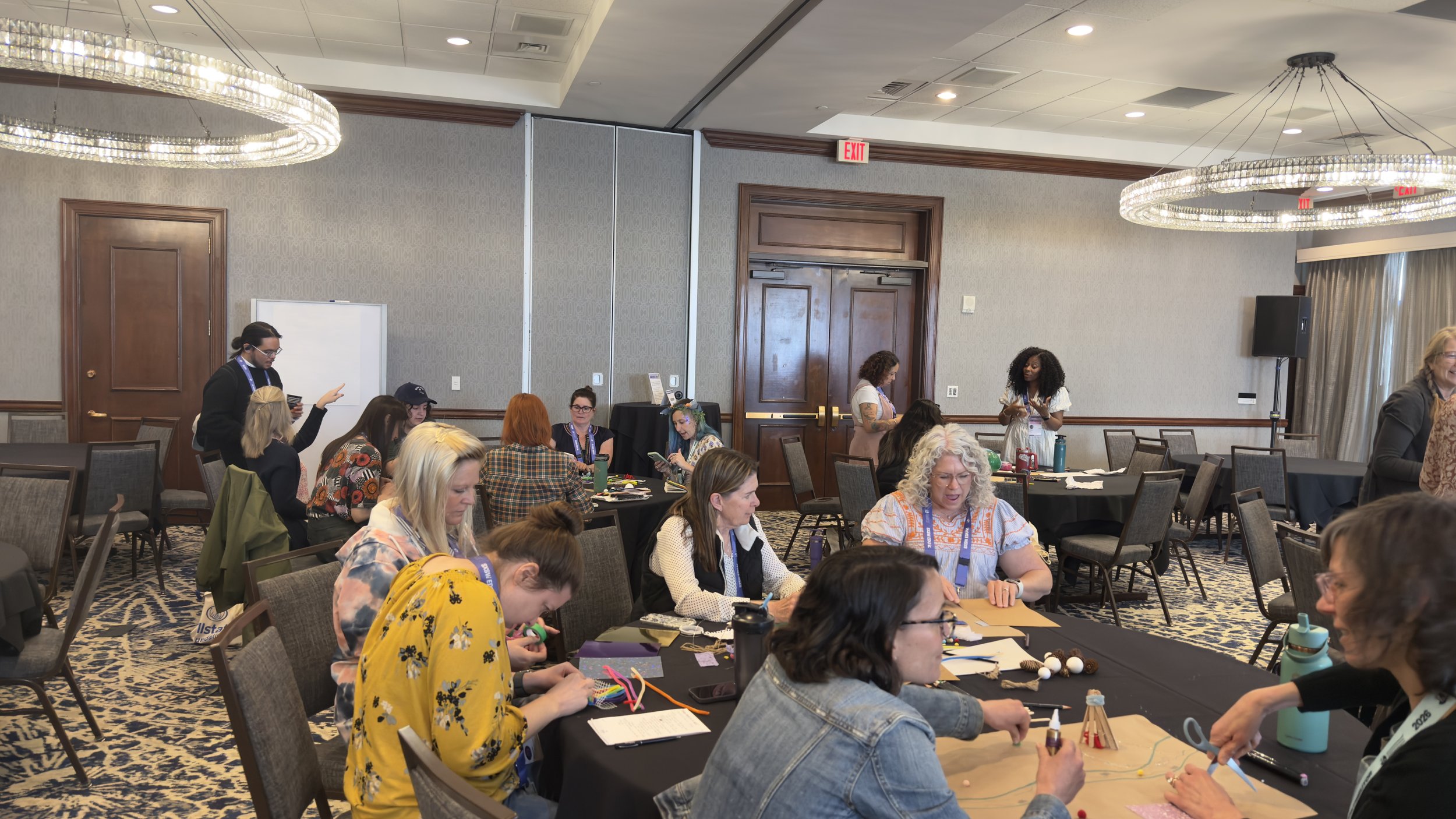
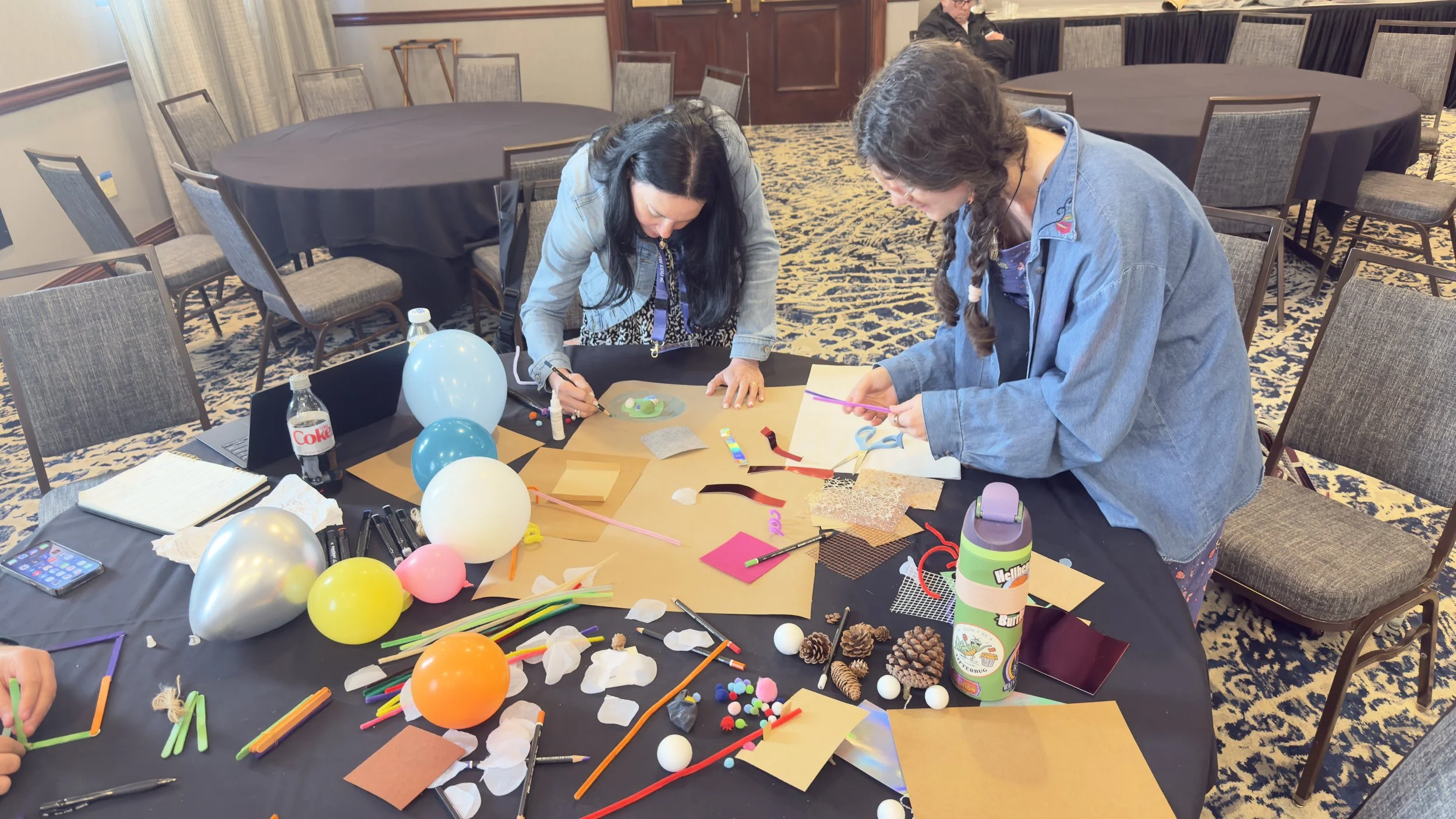
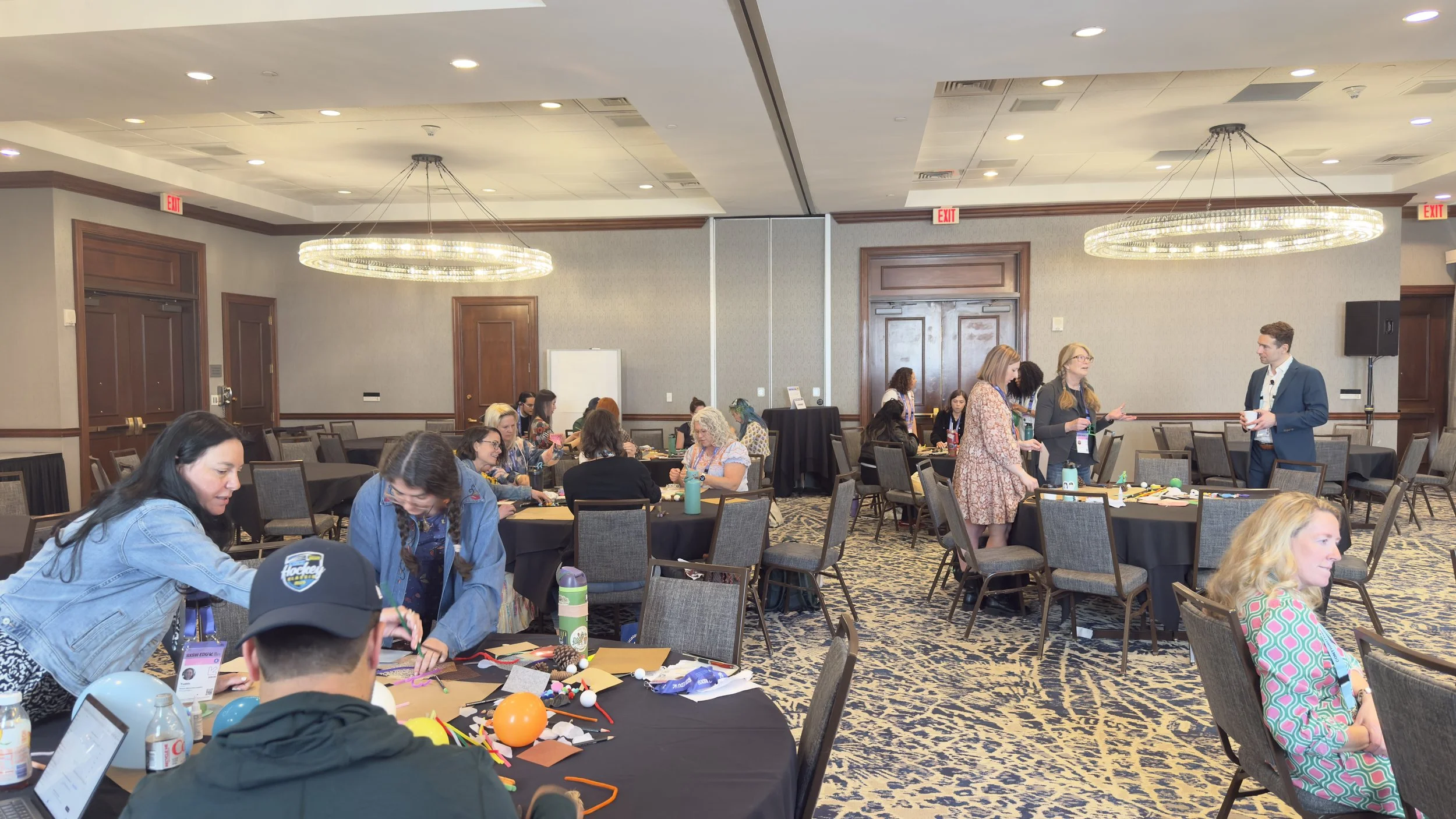
Austin, Texas. March 2026.
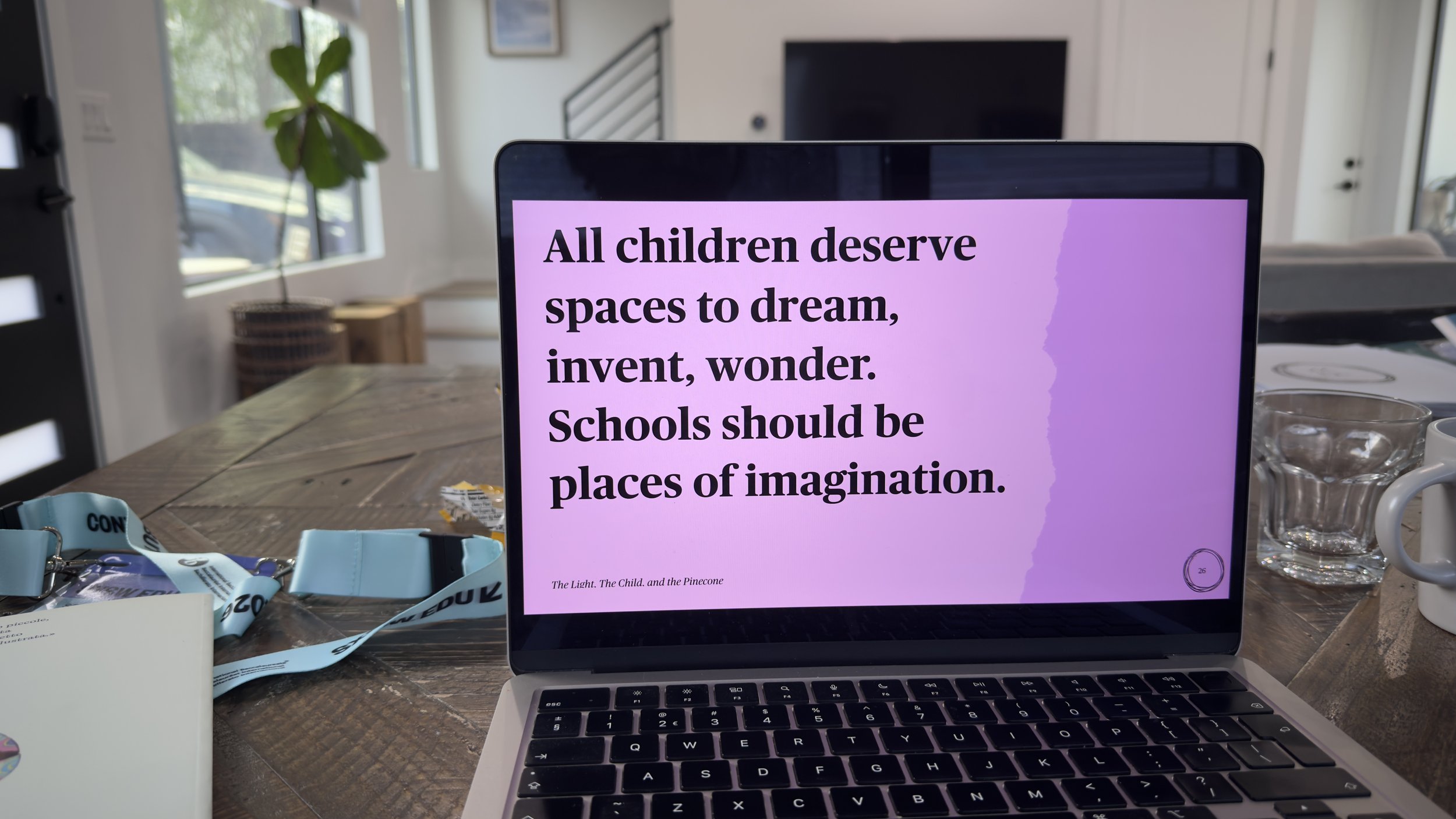
When we submitted our proposal to SXSW EDU The Light, The Child, and The Pinecone: What if wonder was the curriculum? we hoped it would be accepted. When it was, we were thrilled.
We designed the workshop around the ideas of three Italian thinkers who continue to shape our work: Bruno Munari, Gianni Rodari, and Loris Malaguzzi. And when we finally stood in that room in Austin and watched what unfolded during those 90 minutes with educators from across the United States and beyond, we were genuinely moved.
We started with the snowball.
Imagine a large conference room full of adults throwing paper balls across the space. It looked chaotic. It sounded chaotic. But within minutes, strangers were leaning toward one another, laughing, reading carefully, and speaking with a kind of honesty that rarely appears in formal conference settings.
Even the technical support team asked if they could join. Of course, we said yes.
Three Questions
We asked three questions, in three rounds:
What is your favorite memory from when you were in school?
What did you love to do as a child that school had no place for?
When was the last time you felt true wonder?
The snowballs flew. The room grew louder, then quieter. And then people began to share.
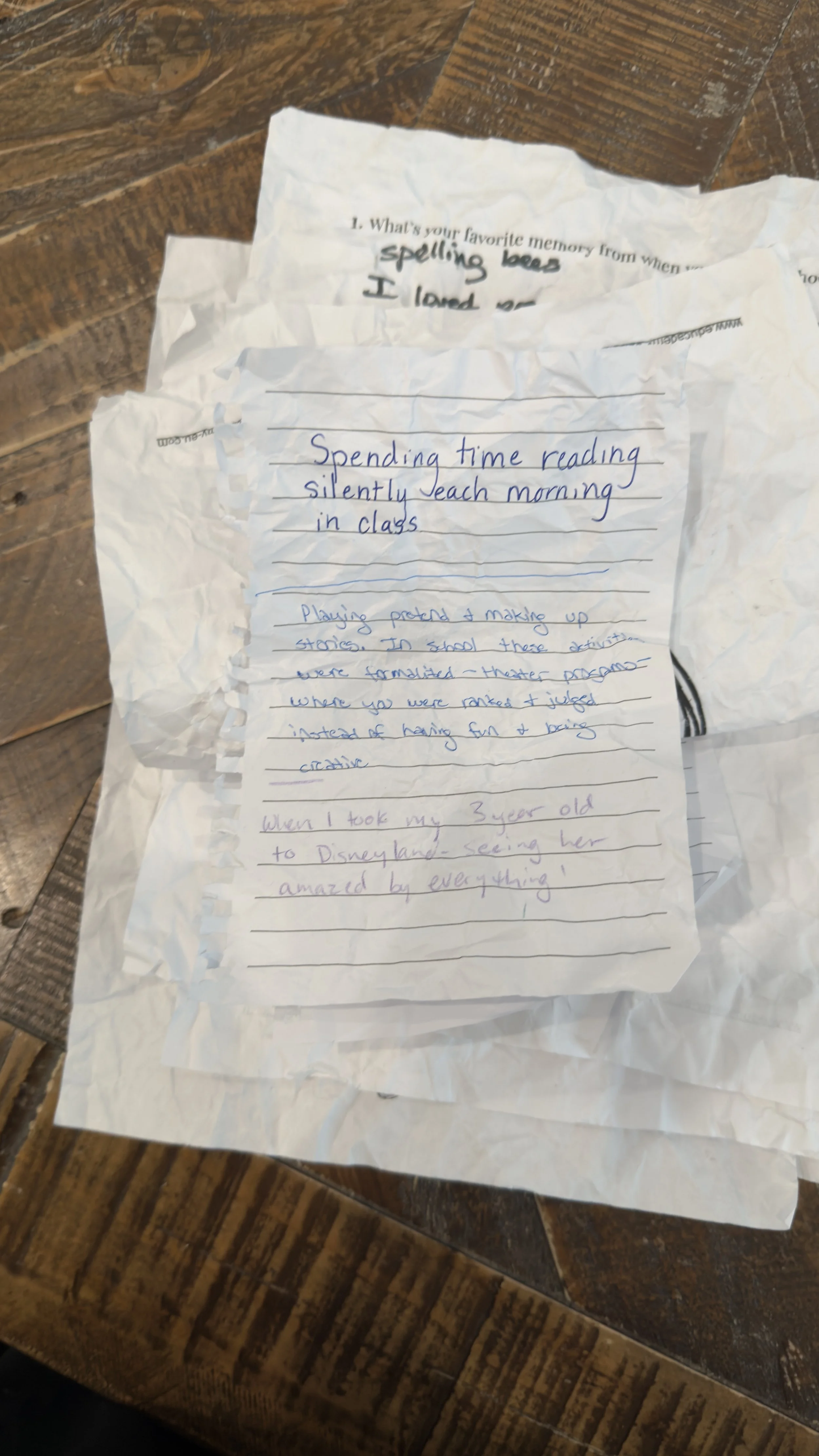
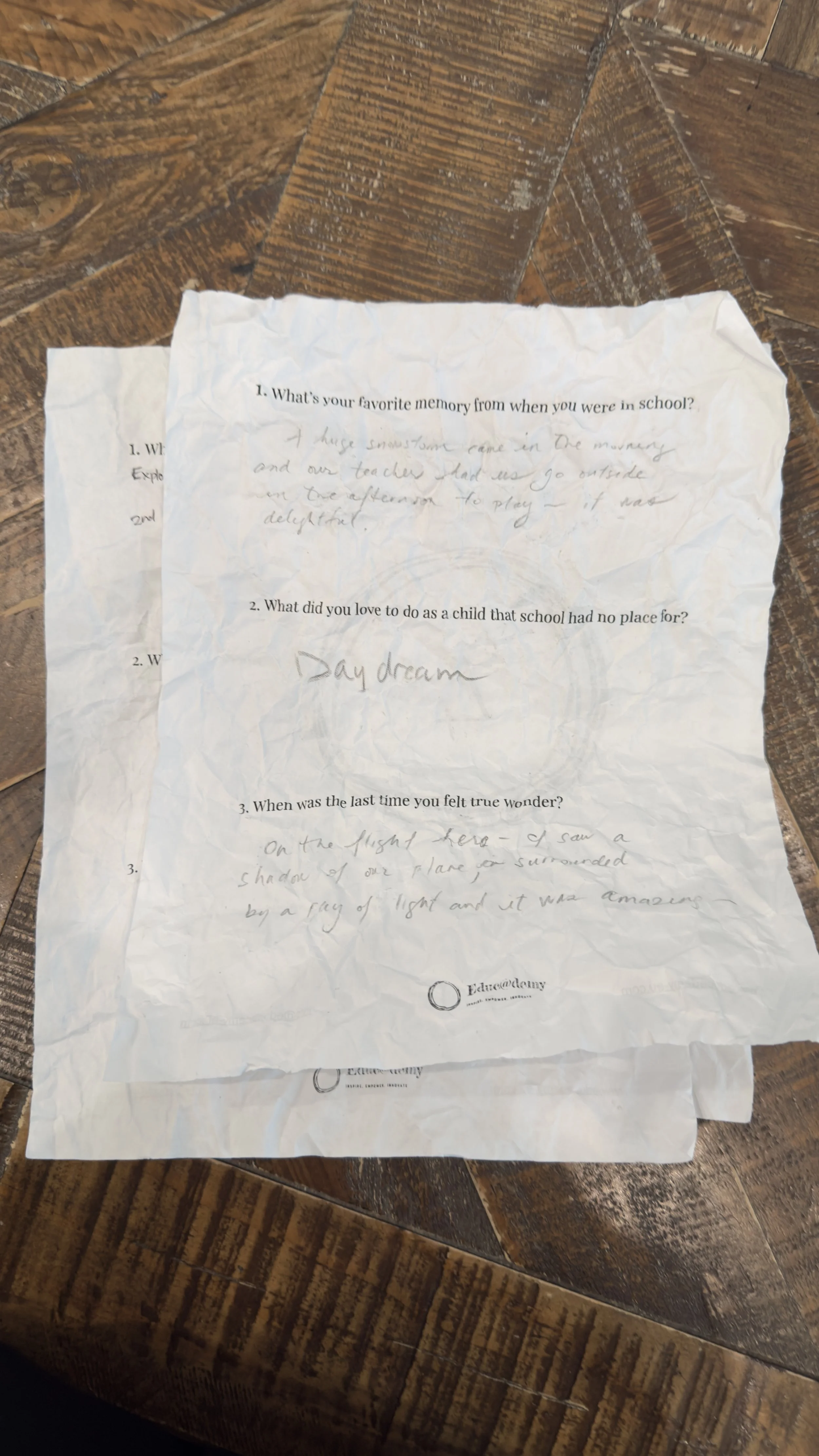
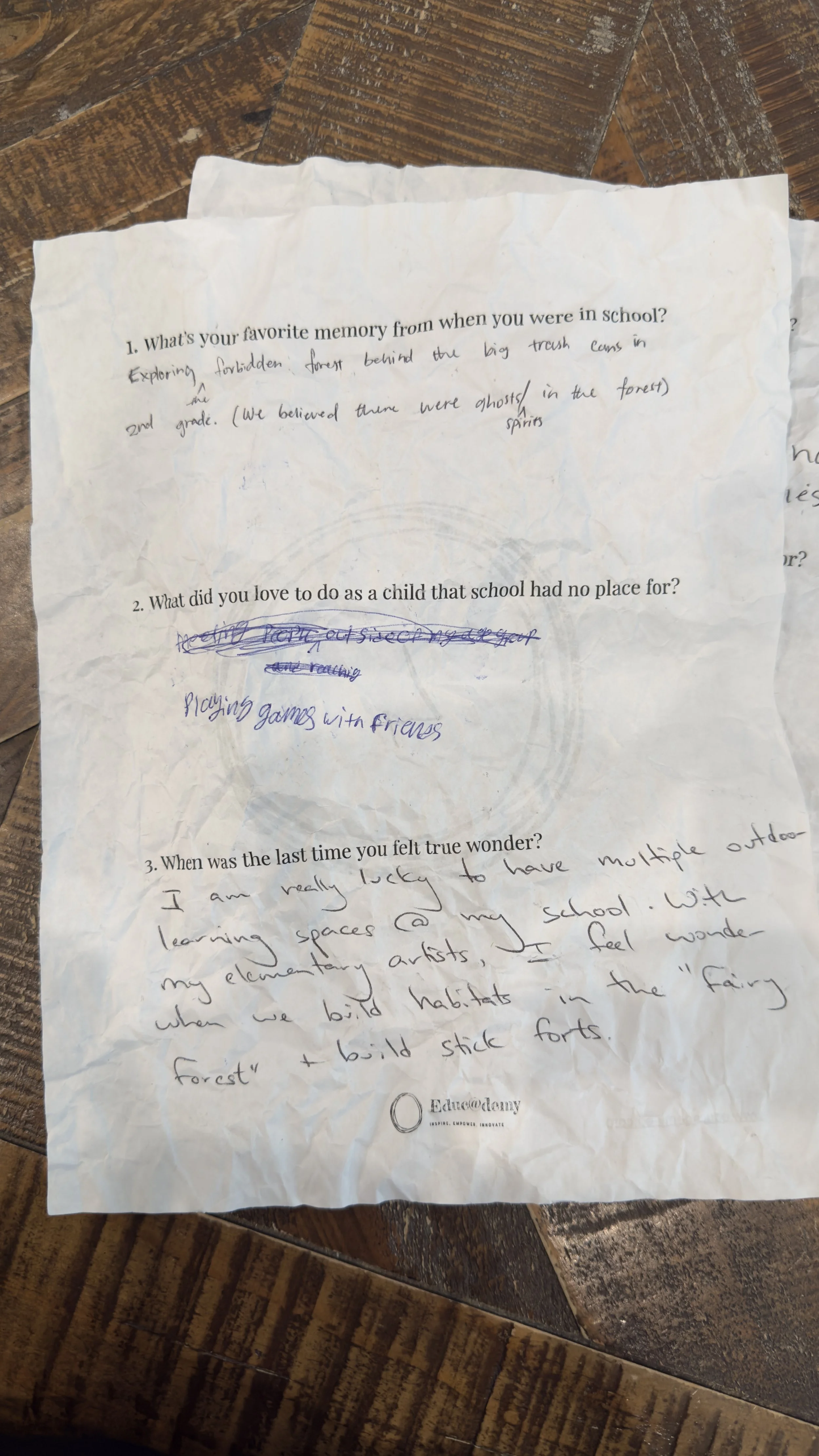
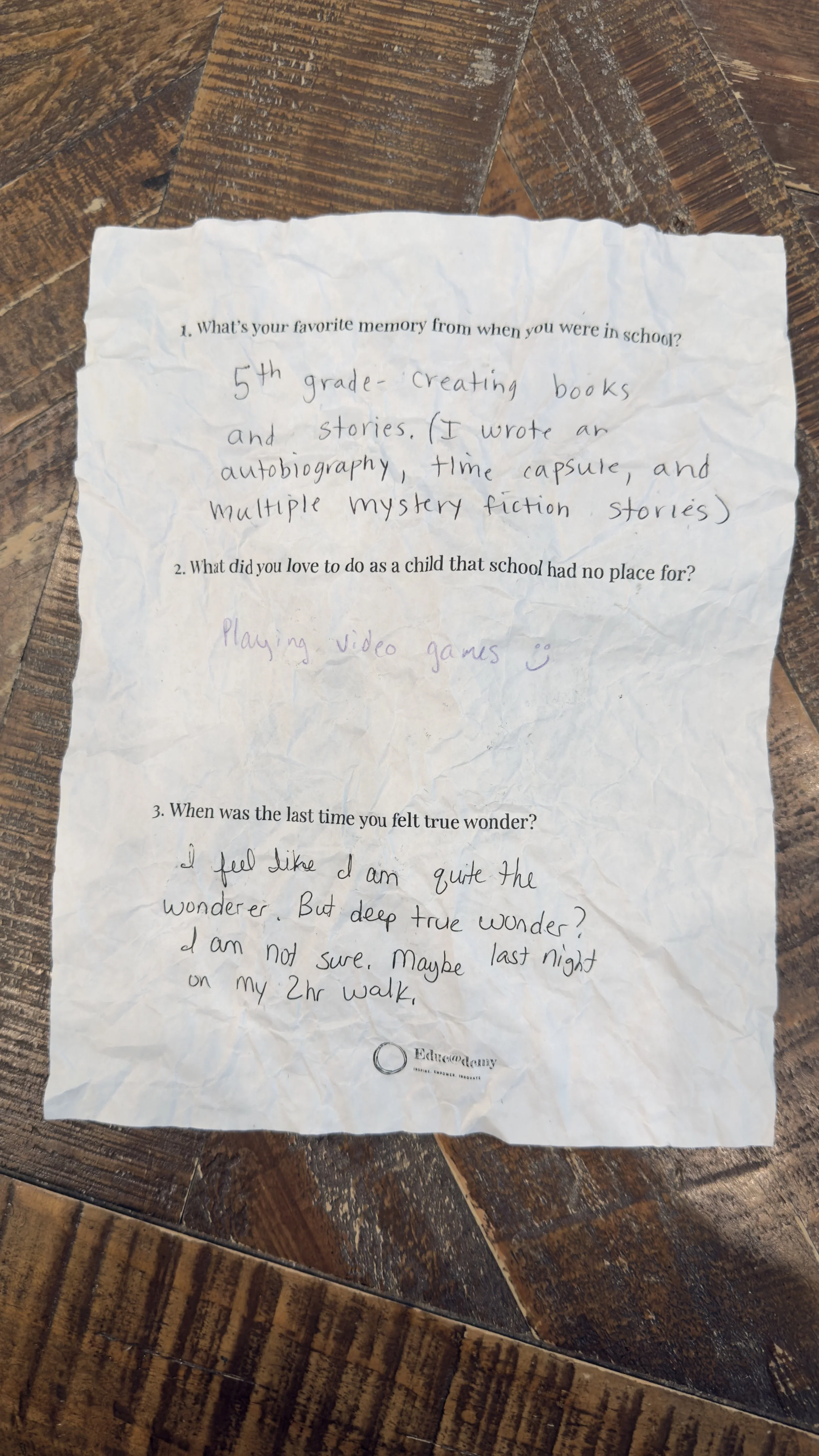
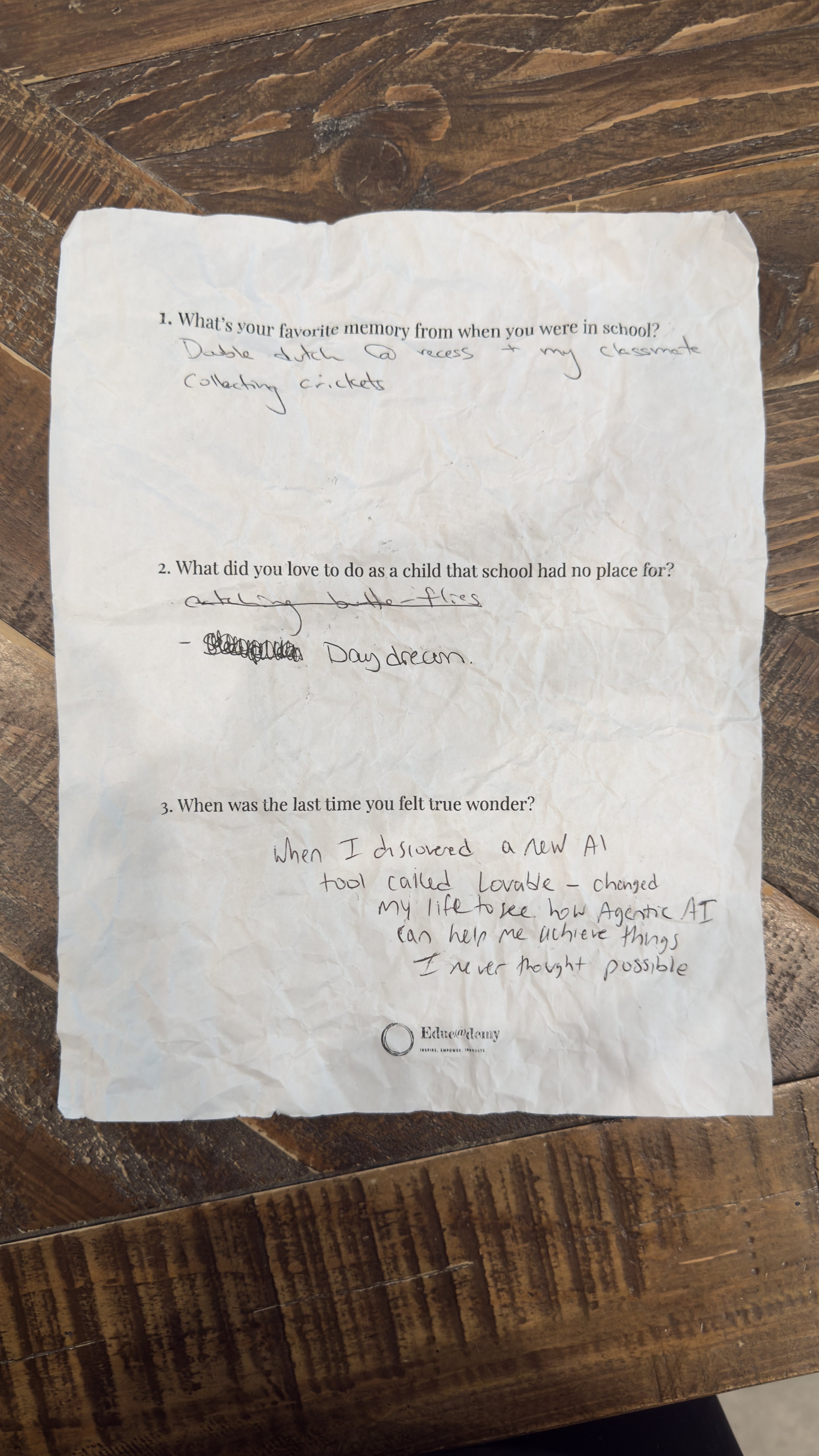
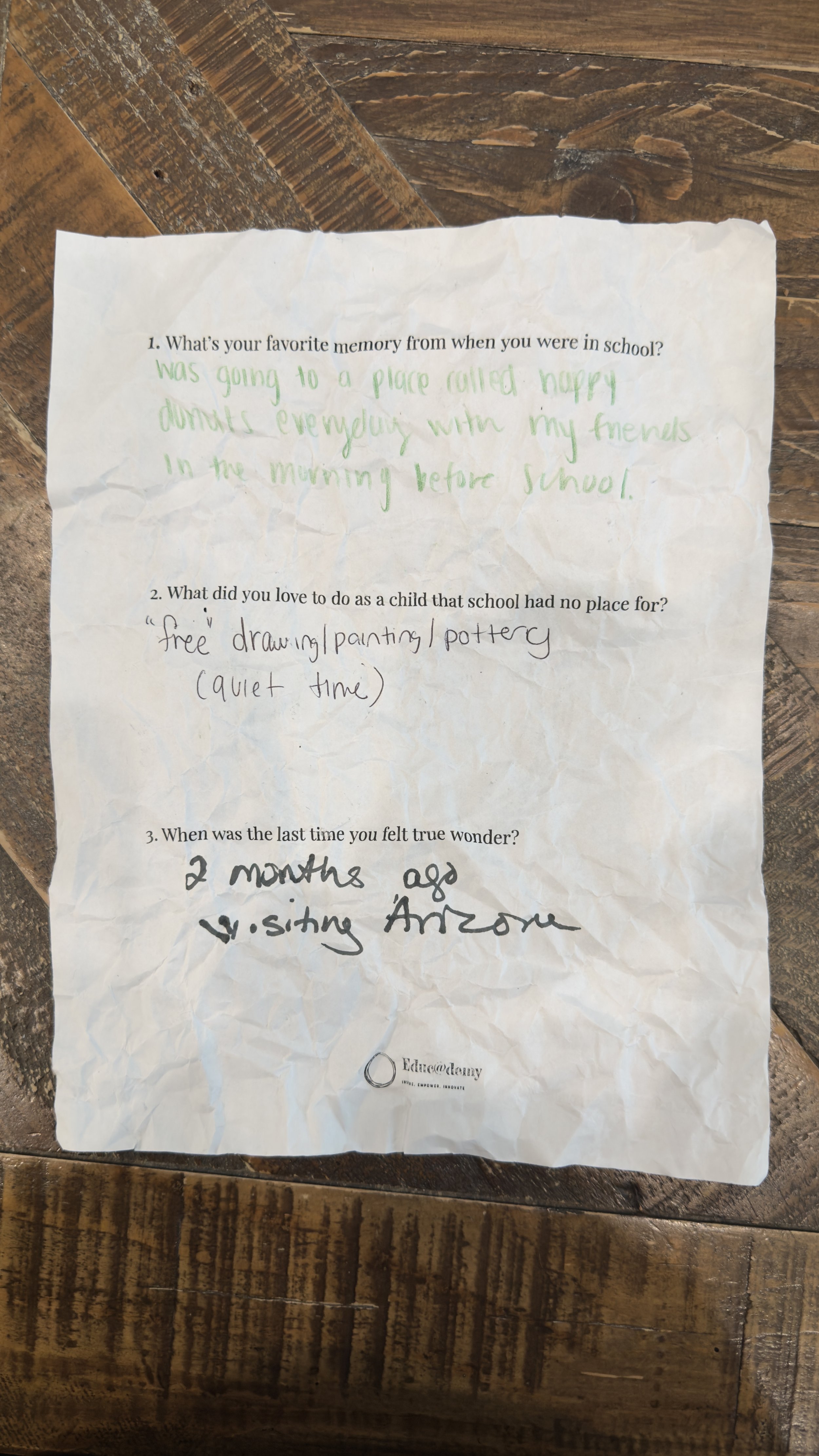
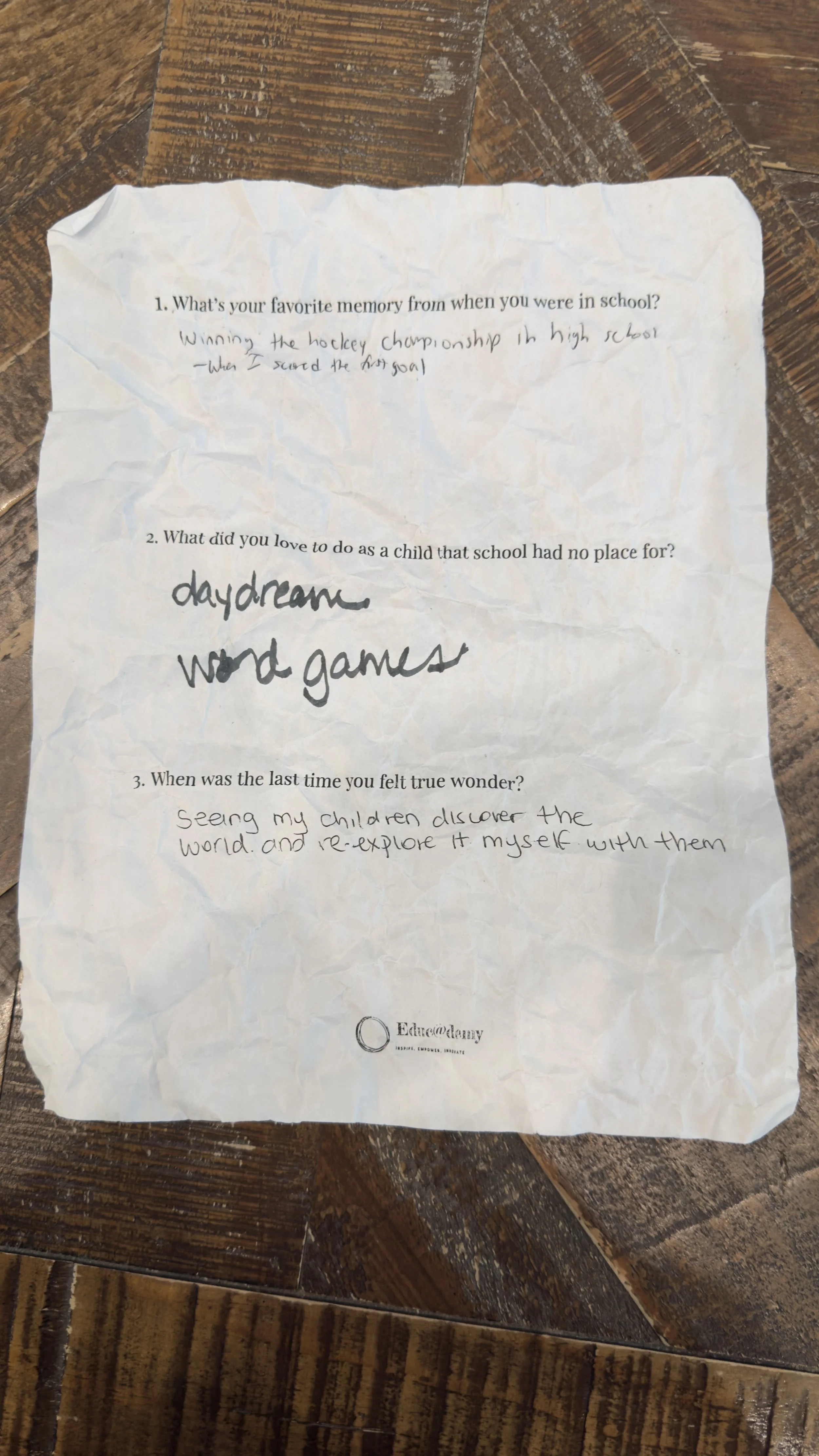
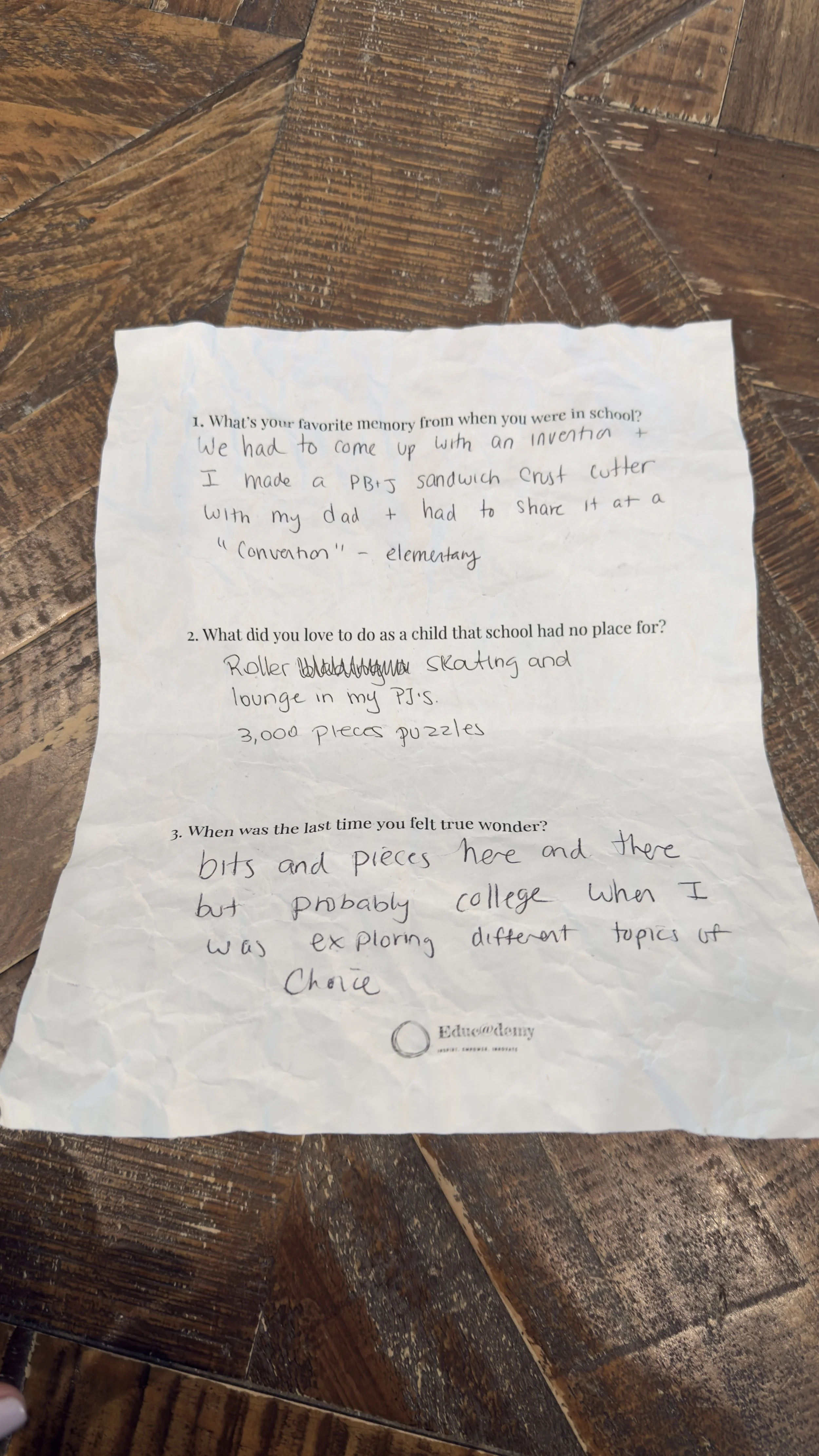
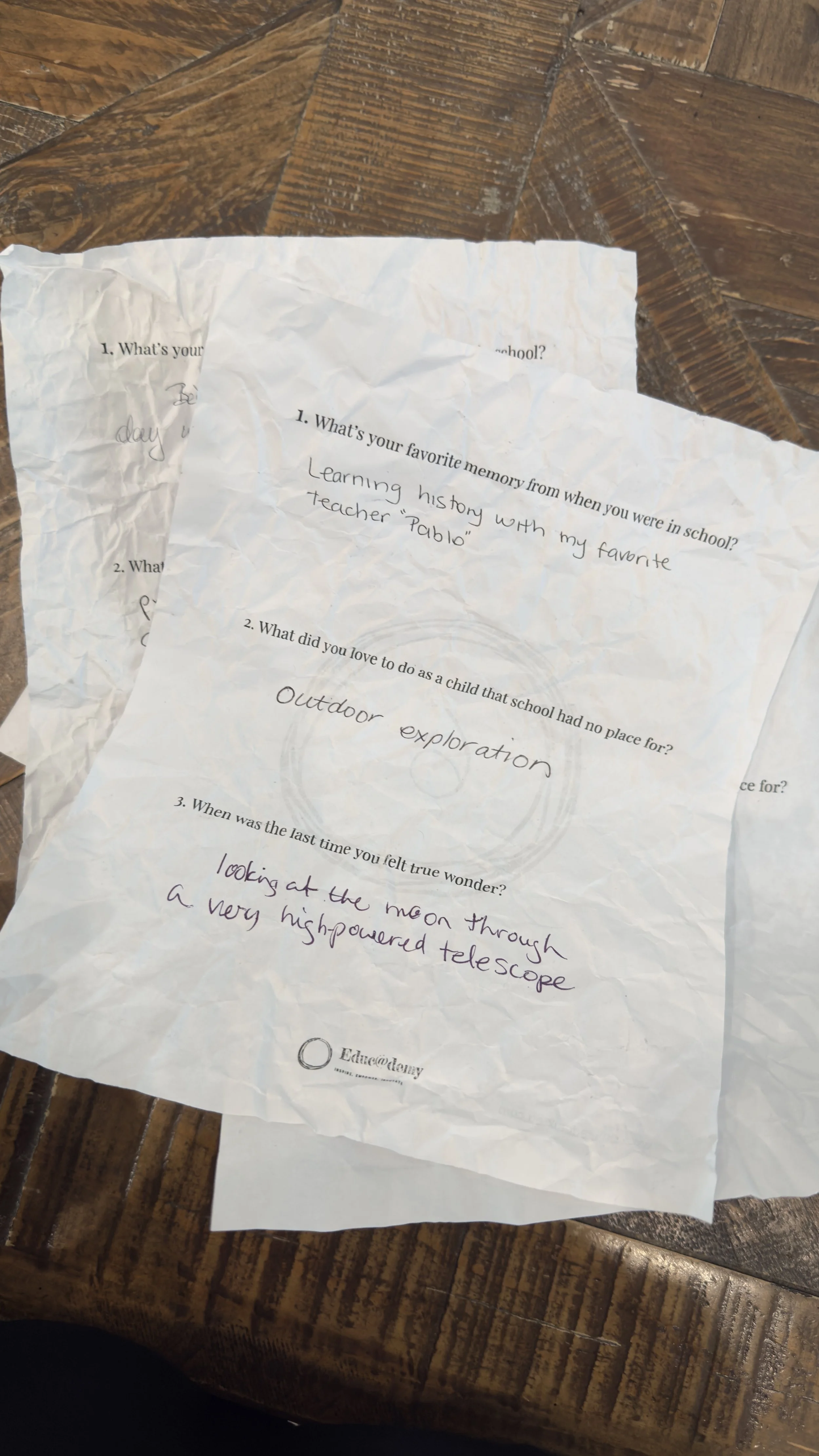
What Was Inside the Snowballs
What came back to us was a collective poem and a map of the world we are longing for in education.
Here is a small selection of what people wrote. Their actual words:
On their favorite school memory:
"Being read a long story, every day was a new chapter."
"Exploring a forbidden forest behind the big trash cans in 2nd grade. We believed there were ghosts and spirits in the forest."
"A huge snowstorm came in the morning and our teachers had us go outside in the afternoon to play. It was delightful."
"Creating books and stories in 5th grade. I wrote an autobiography, a time capsule, and multiple mystery fiction stories."
"Making stuff. Playing on the playground. Feeling safe."
On what childhood loved that school had no place for:
"Playing pretend and making up stories. In school, these activities were formalized — theatre programs — where you were ranked and judged instead of having fun and being creative."
"Splash in puddles and ask questions. Daydreaming."
"Wonder and explore without adult supervision."
"Free drawing, painting, pottery, quiet time."
"Playing with plants. Hearing, observing, touching water."
On the last time they felt true wonder:
"On the flight here, I saw the shadow of our plane surrounded by a play of light, and it was amazing."
"I am really lucky to have outdoor learning spaces at my school. With my elementary artists, I feel wonder when we build habitats in the fairy forest and build stick forts."
"Seeing my children discover the world and re-exploring it myself with them."
"Looking at the moon through a very high-powered telescope."
"Watching my best friend's musical on Broadway in December. The power of our friendship and his amazing art."
"Yesterday, we went to the local children's museum and observed a baby interact with a water exhibit."
The Curriculum We Remember
Almost nobody mentioned lessons. What they remembered were moments of safety, freedom, nature, creativity, and being deeply absorbed in something meaningful.
That’s worth sitting with especially for those of us who spend our days designing learning.
Wonder isn’t gone. It’s just not where we spend most of our time in education.
Munari designed objects that invited children to think with their hands.
Rodari wrote stories that expanded what was possible in language and imagination.
Malaguzzi built an entire educational philosophy on the idea that children express themselves in a hundred languages.
The gap between the education we experienced and the one we long for is not inevitable. It is a set of choices and choices can be changed.
An Invitation: The City as Atelier
This October, we are inviting a small group of educators to join us in Reggio Emilia, Italy, for an immersive experience:
Reggio Emilia is not a model to replicate. It is a place to encounter, to observe, and to reflect with. For more than sixty years, this city has been asking how education, architecture, citizenship, and beauty intertwine; how schools can become part of the civic fabric, and how communities can take shared responsibility for learning.
During the week, we will visit schools, ateliers, and public spaces; engage in hands-on workshops; and reflect together on how place-based learning can reshape the way we design curriculum and learning environments.
If the reflections from Austin resonate with you, If this sounds like something you've been looking for (or you know someone who might be interested in it), you can explore the full program and practical details on our website or download the information kit here.
Before You Leave
Before you scroll on, we’d like to try something a little like the snowball in a quieter, digital form.
What is your favorite memory from when you were in school?
You can leave it in the comments, or send it to us at info@educademy-eu.com. We would love to keep building this collective poem of memories, longings, and moments of wonder.